
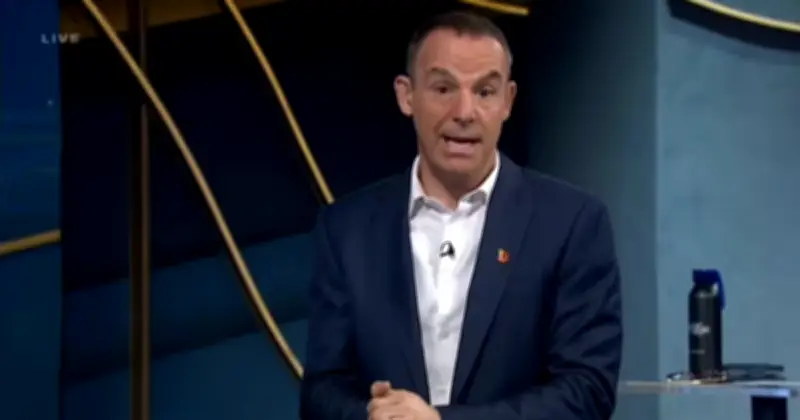
Martin Lewis has issued an urgent warning to customers of British Gas, Octopus Energy, EDF, E.ON Next, Scottish Power, Ovo Energy and other suppliers: take a photograph of your gas and electricity meters before midnight on June 30 to avoid paying higher rates when the Ofgem price cap rises on July 1.
From July 1, the Ofgem energy price cap will increase by 13%, raising the typical annual household bill from £1,641 to £1,862 – an increase of £221. The warning applies to customers on standard variable tariffs who do not have a working smart meter that automatically submits readings.
Why a Meter Reading Matters
Lewis explained that without an up-to-date reading, suppliers may estimate how much energy was used before and after the price rise, potentially charging some pre-July 1 consumption at the higher rate. Speaking on his BBC Sounds and Spotify podcast, he said: "When I first did this I suggested meter reading day and I crashed virtually every energy site. You can backdate, go and get a meter reading. For belt and braces, you can take a picture of the meter."
He noted that customers no longer need to submit readings exactly at midnight, as many suppliers now allow backdating to June 30 if readings are submitted within a few days.
How the Price Cap Works
The Ofgem price cap sets the maximum unit price suppliers can charge for gas and electricity on standard variable tariffs, not the total annual bill. Households using more energy than the typical amount will pay more than the headline figure. Without an accurate meter reading, some energy used on June 30 could be billed at the higher July 1 rates.
Susannah Streeter, head of money and markets at Hargreaves Lansdown, said: "Household energy prices will rise by 13 per cent due to soaring wholesale costs, a highly unwelcome change, just as bills had been reducing." She warned that higher energy costs will squeeze household budgets, reducing spending on shopping, eating out and holidays, and increasing pressure on retailers and hospitality businesses.
Government Response
Energy Secretary Ed Miliband acknowledged the impact: "The rise in the price cap because of a war we did not choose is deeply unwelcome news for households across the country. We know people were under pressure before this crisis, and that's why easing that burden is our number one priority." He added that the government continues to invest in clean, homegrown energy and home efficiency improvements to reduce bills over the longer term.
Taking a photograph of the meter before the end of June 30 provides a timestamped record and can help resolve disputes if estimated readings are later used. For customers on standard variable tariffs, this simple step could ensure they are charged the correct rate for energy already used before prices rise.




