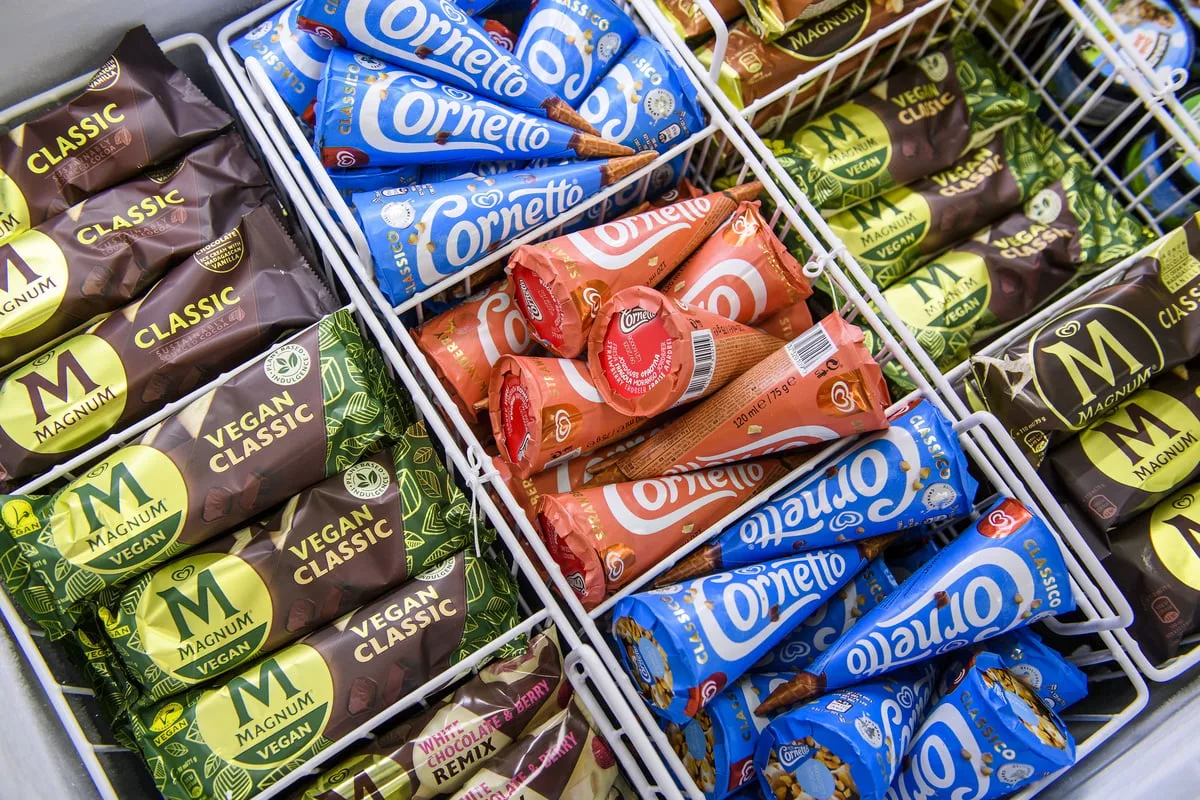
Magnum CEO Confident Ice Cream Giant Will Thrive Despite Weight-Loss Drug Trend
Magnum CEO: Ice Cream Will Survive Weight-Loss Drug Era

Magnum Boss Outlines Strategy to Navigate Weight-Loss Medication Era

The chief executive of the world's largest ice cream manufacturer has revealed how his company plans to prosper despite the growing popularity of weight-loss medications. Peter ter Kulve, who leads the division responsible for iconic brands including Magnum, Ben & Jerry's, and Cornetto, stated that while GLP-1 drugs are changing eating habits, they present an opportunity rather than a threat to the treat industry.

"Mindless Munching" Reduction Versus Deliberate Indulgence

Mr ter Kulve acknowledged that medications like GLP-1 agonists, which include drugs such as Ozempic and Wegovy, are significantly reducing what he termed "mindless munching" and binge eating behaviors. However, he emphasized this shift does not eliminate the fundamental human desire for pleasure through food.

"When people are on GLP-1s, they do not stop eating treats," the Unilever executive explained. "You do, however, see a stark reduction of mindless munching and binge eating. People on GLP-1s make more deliberate choices and have more control. This is actually a good thing."

Wide Pickt banner — collaborative shopping lists app for Telegram, phone mockup with grocery list

He described how consumers using these medications tend to opt for smaller portions with higher nutritional value, seeking real ingredients and increased protein content while still enjoying indulgent moments.

Strategic Adaptation Through Portion Control Innovation

The ice cream giant has been proactively responding to these evolving consumption patterns by expanding its range of portion-controlled products. This strategic move includes the rollout of bite-sized options like the Magnum Bonbon range and Ben & Jerry's Peaces, designed specifically to meet demand for moderated treats.

Mr ter Kulve framed this development as a "real opportunity" to provide lower-calorie premium treats that can command higher price points. The company's approach capitalizes on the trend toward more conscious consumption while maintaining the indulgent experience that defines its brands.

Regional Variations and Long-Term Outlook

Currently, the executive noted, significant GLP-1 usage is concentrated primarily in the United States, meaning the "overall impact on the world is small" at present. This geographical limitation provides the global company with breathing room to refine its strategy.

Nevertheless, the company is preparing for potential wider adoption. "A more healthy society is good for everyone, and we are very keen to be part of that," Mr ter Kulve stated, positioning Unilever's ice cream division as an active participant in health-conscious trends rather than a passive observer.

Market Context and Competitive Positioning

The confidence comes as Magnum alone is projected to capture over twenty percent of the enormous eighty-seven billion dollar global ice cream market. This dominance follows a December 2025 stock market listing that tested investor appetite for sugar-heavy products during a period of shifting consumer trends.

These trends have been amplified by the parallel phenomenon of former US President Donald Trump's 'Make America Healthy Again' campaign, creating a complex landscape for indulgence brands. Through its portfolio that also includes Carte D'or, the company known as TMICC maintains its status as the planet's premier ice cream maker while navigating these challenges.

The company's leadership remains optimistic that premium ice cream experiences will continue to find their place in consumer diets, even as eating habits evolve toward greater mindfulness and nutritional awareness.

Pickt after-article banner — collaborative shopping lists app with family illustration




