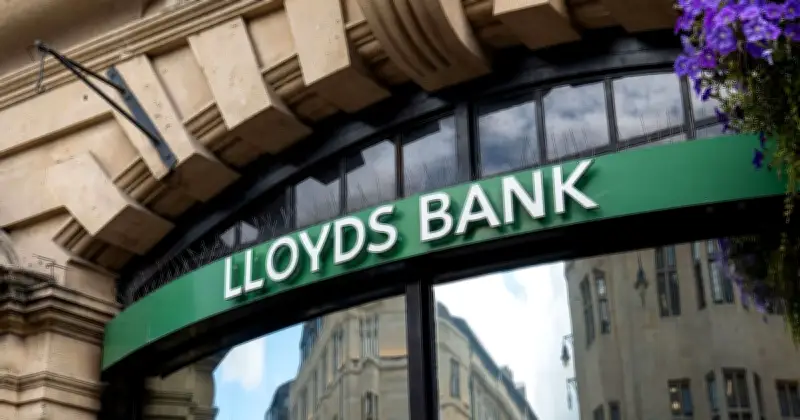
Lloyds Bank is set to close 10 branches across the UK in November 2026, with the first two closures taking place on Tuesday, November 3. The affected branches are located in areas including Lancashire, Leicestershire, West Yorkshire and Nottinghamshire.
The closures come as the banking group continues to reduce its high-street network, with more customers now managing their money online or via mobile banking. For those who still prefer speaking to someone in person, the changes could mean travelling farther to visit a branch.
Closure schedule and locations
The first two closures are scheduled for Accrington and Wallsend on November 3. Further branches will shut in Ilkeston and Willenhall on November 5, followed by locations in Leicester and Liverpool on November 9.
Wakefield will lose its branch on November 10, while another Leicester branch and the Worksop branch are due to close the following day. The final closure of the month is scheduled for Harrogate on November 19.
Full list of branches closing
- November 3: Accrington – 2 Peel Street, BB5 1EP
- November 3: Wallsend – Royal Chambers, NE28 8PJ
- November 5: Ilkeston – Market Place, DE7 8GS
- November 5: Willenhall – Market Place, WV13 2AE
- November 9: Leicester – 184 Melton Road, LE4 5EE
- November 9: Liverpool – 14–16 Sherborne Square, L36 9UR
- November 10: Wakefield – 17 Westgate, WF1 1JZ
- November 11: Leicester – 61 Leicester Road, LE18 1NR
- November 11: Worksop – 65 Bridge Street, S80 1DH
- November 19: Harrogate – 8–11 Cambridge Crescent, HG1 1PG
Alternative services and impact
Lloyds says it considers how customers will continue accessing banking services before deciding to close a branch. The bank also publishes reviews explaining the reasons behind individual closures and the potential impact on local communities.
In some areas, alternative services may be provided through banking hubs or visits from community bankers. Customers can also use online and mobile banking for everyday transactions, while some services remain available through the Post Office.