
Lebanon's Cabinet has approved a draft law aimed at determining the extent of losses incurred by banks during the country's 2019 financial collapse and establishing a mechanism to return depositors' funds that were frozen. The draft, approved on Friday, marks the first government move to address the crisis that wiped out billions in savings.
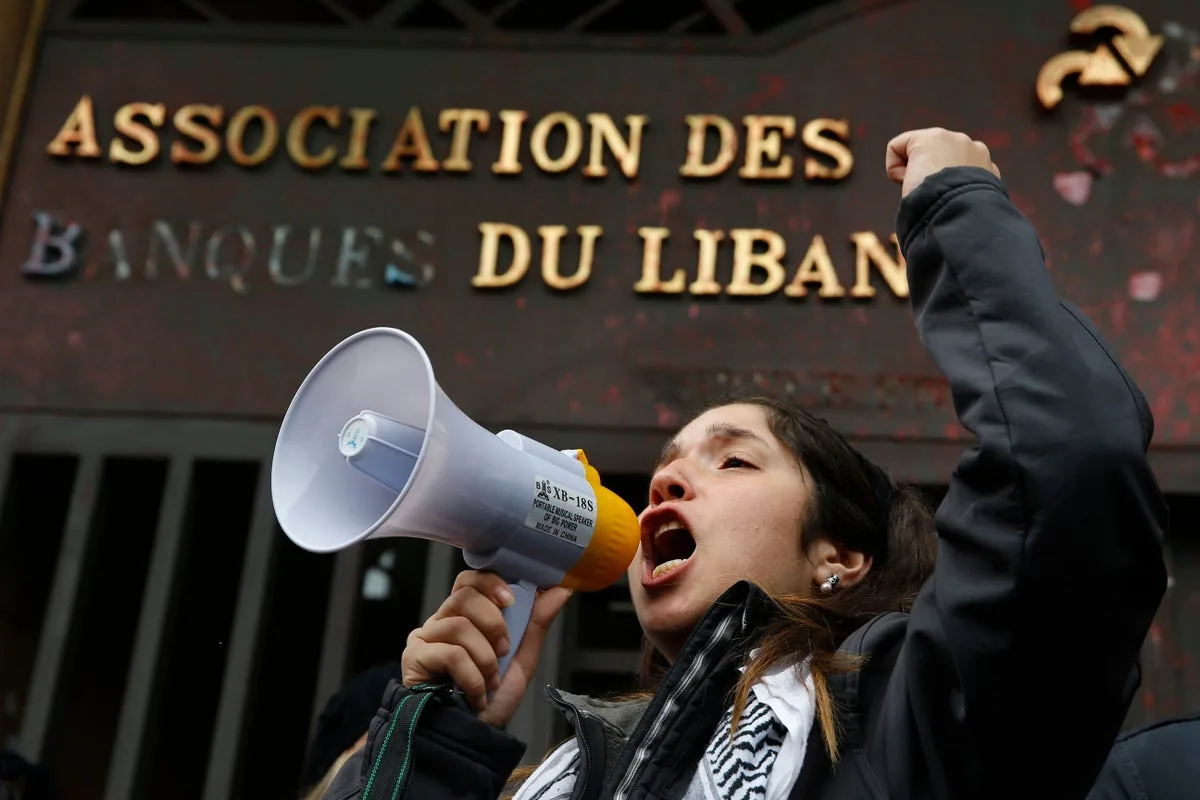
The legislation, dubbed the 'financial gap law,' passed with 13 ministers in favour and nine against. It still requires parliamentary approval to become law. During the Cabinet meeting, protesters outside the government headquarters demanded action and expressed scepticism over the legislation.
Prime Minister Nawaf Salam stated that smaller depositors, comprising 85% of all depositors, would receive their full deposits over four years. Larger depositors would recover funds more gradually, with the first $100,000 in cash. The remainder would be converted into tradable bonds backed by the Central Bank's revenues and assets, totalling around $50 billion.
Salam rejected accusations that the bonds were worthless, adding that a depositor with $3 million could recover about $60,000 per year. He also denied claims that the law was a 'forgive and forget' measure, noting a clause ensuring accountability.
The bill provides a legislative framework for restructuring Lebanon's financial sector, addressing measures long sought by the International Monetary Fund, including clear rules for returning depositors' funds, restructuring bank liabilities, and improving transparency. The IMF has expressed frustration over stalled talks with Lebanon for more than half a decade.
Lebanon's financial crisis has seen the currency lose over 90% of its value against the dollar, pushing over half the population into poverty. The situation was compounded by Israel's war with Hezbollah, which ended in a ceasefire last November, with reconstruction costs estimated at $11 billion.




