
Charities have warned that the freeze on housing benefit is pushing claimants into a vicious cycle of debt, with many facing “impossible situations”. New research from Zoopla and charities including Crisis and Citizens Advice reveals that fewer than two in 100 properties (1.9%) listed in Britain are affordable to people on the benefit, down from 2.7% in the previous year.
Impact on Households
The organisations warned that the freeze is pushing cash-strapped households into debt, poverty, and homelessness, with record numbers of families already in temporary accommodation. Local housing allowance (LHA) rates, which control the maximum amount of rental support people can receive, have been frozen for most of the past decade. The charities are urging the government to unfreeze housing benefit or risk pushing more households into poverty and homelessness.
Andy Burnham's Criticism
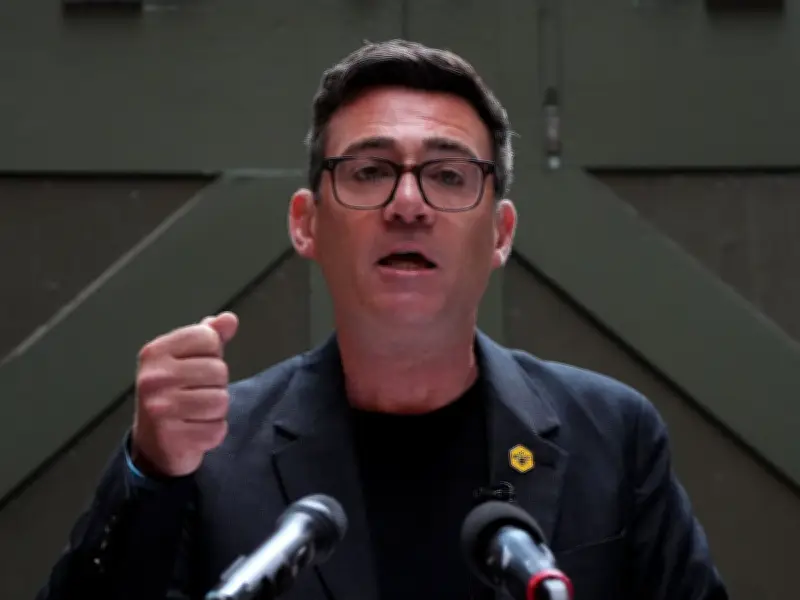
Prime Minister-in-waiting Andy Burnham, who has promised the biggest council house building programme since the post-war era, has previously criticised the freeze. During his first major speech since Keir Starmer announced his resignation timetable, Burnham said the country was in a housing trap where “we are forced to chase rents in the private-rented sector through the benefits system”. He added: “When governments try to control these costs by freezing Local Housing Allowance, it makes families homeless and places unfunded pressures on councils when they have to pay for temporary accommodation.”
Charity Leaders Speak Out
Matt Downie, Chief Executive at Crisis, said: “Across Britain, people on low incomes are facing an impossible situation. With housing benefits frozen, more and more people are struggling to cover the cost of rent and essentials like food and bills – forcing them into a cycle of debt, poverty and homelessness.” He added that the freeze puts unsustainable pressure on an already overworked system, with local authorities under immense strain and temporary accommodation costs at an all-time high. “To bring rates of homelessness down we must have a welfare system that supports people on the lowest incomes. It’s crucial that housing benefit is uprated to cover the cheapest third of rents so it can work as intended and so that no one is faced with the trauma of losing their home.”
Dame Clare Moriarty, Chief Executive of Citizens Advice, said: “Many families are already at breaking point, cutting spending back to the bone and still finding themselves unable to pay the rent or put food on the table. Every day our advisers are hearing from more and more people who have simply run out of options. While housing benefit remains frozen, rents are spiralling - meaning private renters are cutting back, going without, or falling deeper into debt. If the government is serious about turning the tide on the cost of living crisis, getting to grips with the soaring cost of housing is essential. Private renters are struggling to keep their heads above water - unfreezing housing benefit would throw them a vital lifeline.”
Government Response
A Government spokeswoman said: “We're tackling rising rents and the housing shortage with our commitment to build 1.5 million homes – the biggest boost to social and affordable housing in a generation – and our efforts to turn the tide on poverty are making a real difference, as household incomes have risen 5 percent in real terms and food bank usage has fallen. But we know there is more to do. That is why we have launched the £1 billion Crisis and Resilience Fund, are raising the National Living Wage by up to £900 a year for a full-time worker, investing more than £1 billion in homelessness services, and are investing a record £39 billion in affordable and social housing.”




