
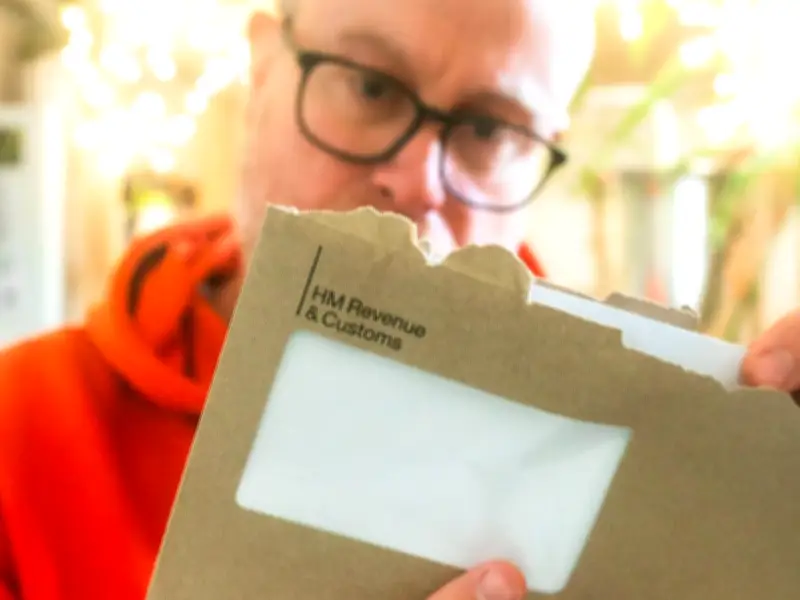
HM Revenue and Customs (HMRC) is reminding millions of Self Assessment taxpayers that the July 31 deadline for the second payment on account for the 2025 to 2026 tax year is approaching, with experts warning that many people, especially new freelancers, are caught out and face penalties.
Deadline and Payment Options
Taxpayers can set up monthly or weekly payment plans, and any payments already made through these plans will count towards their next Self Assessment tax bill. Payments can be made via the HMRC app, which has been used by nearly two million Self Assessment taxpayers since its introduction in January 2022. The app allows users to pay towards their tax bill, set payment reminders, and track their payment history.
Myrtle Lloyd, HMRC’s Chief Customer Officer, said: “We know managing a Self Assessment tax bill isn’t always straightforward and we are here to help. From paying instantly via the HMRC app to spreading the cost through a payment plan, there’s support available for every customer. Search ‘Pay your Self Assessment tax bill’ on GOV.UK to choose the payment option that works for you.”
Expert Warnings on Common Mistakes
Matthew Knight, chief freelance officer at Freelancing.Support, noted that many people do not know the deadline. He added: “While everyone knows the January 31 deadline, many who are new to freelancing often get caught out by payment-on-account deadlines, which asks you to pay your taxes ahead of your income. Getting into the habit of doing your accounts monthly or quarterly helps you keep on top of the admin, rather than waiting for HMRC to remind you. This is where Making Tax Digital could actually help small businesses, ensuring they're on top of their taxes.”
Ross Lacey, director and Independent Financial Adviser at Rayleigh-based Fairview Financial Management, emphasised the importance of keeping books up to date. He added: “It's good practice to get on top of this as early as possible. That way, you can ensure the payments on account remain appropriate for the level of income you've actually earned. It also helps with any changes you may want to make to your business in the current tax year, using the information on how much profit, or not, was generated in the previous tax year. Far too many people are almost a year behind in knowing how their business is really doing. Keeping the book up to date throughout the year makes this less of a mammoth task.”
Consequences of Missing the Deadline
Samuel Mather-Holgate, managing director and IFA at Swindon-based Mather and Murray Financial, warned that “silence is usually the most expensive option.” He added: “The Self Assessment system is creaking because it asks millions of ordinary people to behave like unpaid tax administrators. Staying up to date matters. If you miss the July 31 payment on account you can quickly face interest, penalties and nasty cash-flow shocks. But HMRC cannot keep relying on last-minute nudges and an app to fix a system many people find confusing. There should be far clearer prompts, plainer language and earlier warnings, especially for the self-employed and side-hustlers. The practical advice is simple – check your online account now, do not assume payments on account are optional, put money aside weekly, and speak to HMRC before the deadline if you cannot pay. Silence is usually the most expensive option.”
Year-Round Tax Management
Nouran Moustafa, practice principal and IFA at Roxton Wealth, said taxpayers needed to act before the deadline. She added: “Self Assessment needs year-round organisation. The July 31 payment catches people off guard because it lands months after the January rush, just when many self-employed people, landlords and business owners are focused on keeping cash moving through the summer. Being up to date matters because this is not a bill you can wish away. Missing it can mean interest, stress and a much bigger problem by January, when the balancing payment and next payment on account can arrive together. There is publicity, but not enough explanation. Too many people still misunderstand what a payment on account is, or assume income received is fully theirs to spend. My advice is simple: make tax part of managing money all year round. Put aside a percentage of every payment, check your HMRC account now, and only reduce a payment on account where there is a genuine, evidenced reason your income will be lower. If cash flow is tight, act before the deadline, not after it. A payment plan is a tool, not a failure.”




