
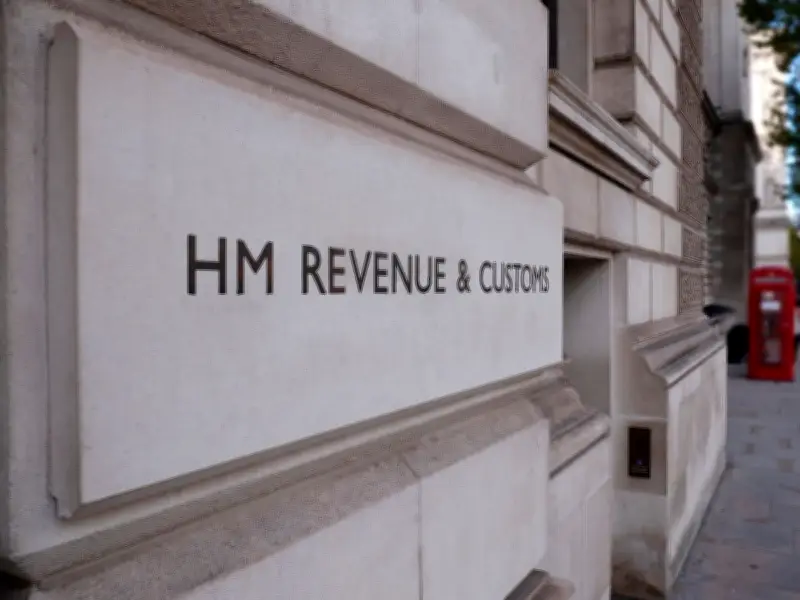
The National Audit Office (NAO) has criticised HM Revenue & Customs (HMRC) after an investigation revealed that thousands of families were wrongly stripped of Child Benefit payments last year due to a flawed fraud-check initiative. The scheme, intended to cut down on fraudulent claims, inadvertently suspended benefits for genuine claimants who had not broken any rules.
Flawed Implementation Leads to Suspensions
In August 2024, HMRC launched a new initiative in partnership with the Home Office to track Child Benefit claimants who left the UK. The system was designed to flag claimants who were away for more than 12 weeks for potential fraud and error investigations. A pilot in 2024 had prevented an estimated £15 million in incorrect payments, but the official rollout in 2025 removed a critical step: HMRC no longer checked the PAYE system to verify whether claimants were still earning or paying tax in the UK before stopping payments.
The investigation found that this step was omitted because HMRC used workers unqualified to check tax records and lacked experienced staff to perform these checks. The NAO declared this the point where thousands of eligible claimants fell through the cracks.
Impact on Claimants
As a result, more than 8,000 genuine claimants had their benefits suspended without warning. Many families had simply gone on holiday and returned, but the Home Office had no record of their return. According to The Guardian, some claimants had not even left the UK, including a person whose wedding in Norway was cancelled before their flight. Others had genuine reasons for extended stays abroad, such as a family whose child suffered a seizure at the departure gate.
HMRC apologised twice last year for the mistakes, acknowledging the financial and emotional impact on claimants, including sudden loss of income and stress in proving eligibility to restart payments.
NAO Findings and Recommendations
The NAO described the scheme as “an innovative attempt” but warned that HMRC had “insufficient governance and risk management, and did not consider the impact on claimants.” As of April 2026, HMRC had paid only £3,200 in compensation to 51 claimants. The process was relaunched in March 2026 with changes, including reinstating the PAYE check, giving claimants a month to prove eligibility before suspension, and allowing online submission of evidence.
Gareth Davies, head of the NAO, said: “It’s right that HMRC seeks new ways to tackle fraud and error. HMRC’s initial work on using travel data to investigate potential Child Benefit overpayments suggested it could secure significant savings for the taxpayer. However, missteps in implementing the first rollout meant HMRC did not strike the right balance between detecting fraud and error and managing the impacts on Child Benefit claimants. While HMRC should not be discouraged from pursuing innovative ways to reduce fraud and error, it must learn and apply the lessons for future initiatives.”
HMRC Response
An HMRC spokesperson said: “We welcome this report, which recognises how data can help tackle Child Benefit error and fraud. We’ve acknowledged that some mistakes were made initially, but we took swift action to put things right and strengthened our approach with extra safeguards. Our work so far has prevented thousands of customers claiming incorrectly, protecting tens of millions of pounds of taxpayers’ money.”




