
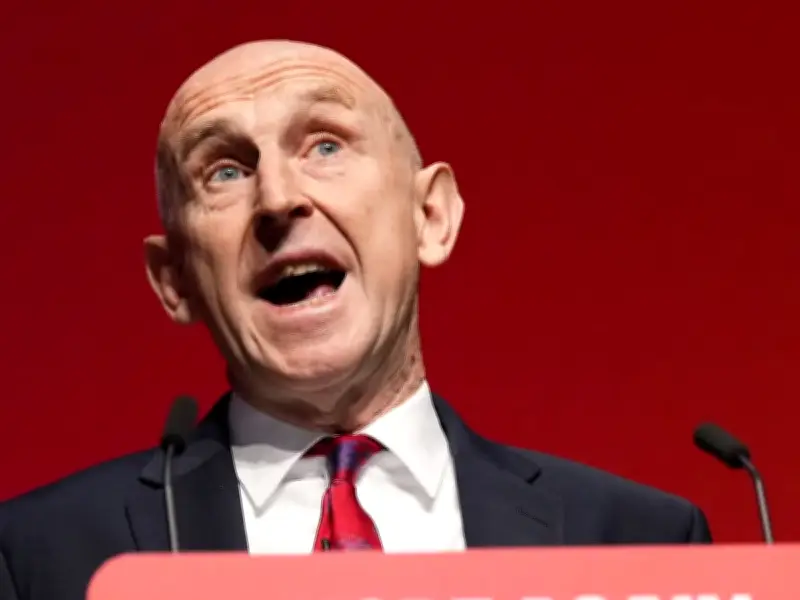
Chancellor John Healey is facing pressure to reverse a Tory-era cut to the bank surcharge in the autumn Budget, a move the Trades Union Congress (TUC) says could raise £2.25 billion a year.
Ahead of the Budget at the end of this month, Mr Healey is seeking ways to raise revenue and keep the UK’s budget deficit under control in the face of soaring government borrowing costs. One option under consideration is reversing former Tory chancellor Jeremy Hunt’s reduction in the surcharge banks pay on their profits from 8% to 3%, the Guardian reported.
Union backs surcharge increase
TUC general secretary Paul Nowak backed the move, saying: “Britain’s big four banks are making a billion pounds a week, while bonuses have hit a post-crash record. These are bumper profits – driven by high interest rates and households’ mortgage misery.”
“The Treasury has already lost £6 billion in revenue from the Tories’ senseless bank tax cut – now it’s time to make sure banks pay their fair share,” he added.
The TUC called for an even bigger surcharge increase, to 16%, saying that could raise £24 billion in tax revenues over four years. Trade unions and think tanks have repeatedly lobbied for heavier taxation for banks.
Think tank proposals
The Institute for Public Policy Research this week recommended generating £1 billion from a temporary surcharge on commercial banks’ windfall profits among a package of measures to raise an extra £16 billion to help struggling households. The think tank, which has been influential in Labour policy-making, said the proposals would help rebuild the Chancellor’s fiscal buffer, which it estimated has dropped by up to £15 billion since the spring.
But the Conservatives and City groups have warned that targeting banks would stifle investment and damage Britain’s competitiveness as a financial centre.
Industry and political reaction
Louise Hellem, chief economist at the Confederation of British Industry, said: “The financial services sector is vital to driving investment, innovation and business growth across the economy. Government has set the right direction through its Financial Services Growth and Competitiveness Strategy and the Leeds Reforms – the priority now is delivery.”
“The autumn Budget should set the agenda for a competitive and predictable environment that turns those reforms into tangible progress, unlocking domestic investment, deepening UK capital markets and helping more firms to scale and grow,” she said. “It should also avoid measures that would undermine competitiveness or weaken incentives to invest. With the business tax contribution already at a record share of receipts, that means avoiding further sector-specific taxation, including on a banking sector already facing a higher tax rate than competing international financial centres.”
Tory shadow chancellor Andrew Griffith said: “Britain needs growth. But a raid on the financial services sector will stifle it. Labour should be backing businesses and wealth-creators, not making their lives even harder.”
A Treasury spokesperson said: “As has always been the case, decisions on tax are a matter for the Chancellor to set out at fiscal events, rather than routinely commenting on rumour, speculation or proposals.”
It comes as banks have seen their shares sink lower amid mounting speculation the Chancellor is planning to hike taxes on the sector in his upcoming Budget. Lloyds Banking Group and NatWest led falls on the FTSE 100 Index, both down 2% in morning trading on Friday, with Barclays shares slipping lower as well.




