
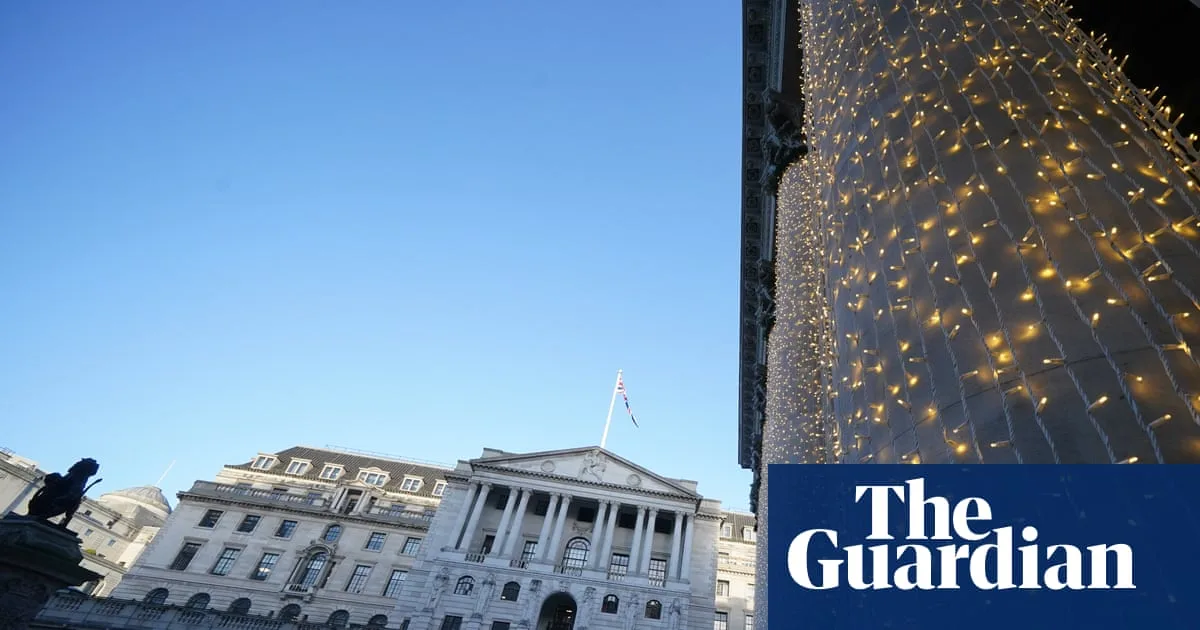
The Bank of England has announced plans to lower capital requirements for high street banks for the first time since the 2008 financial crisis, a move that risks stoking concerns about weakening protections against UK bank failures. Governor Andrew Bailey sought to reassure that the lessons of the crisis have not been forgotten, describing the cut as a “sensible reflection of the health of the banking system”.
Under the changes, due to take effect in 2027, capital requirements related to risk-weighted assets will be reduced by one percentage point to about 13%. The central bank said the move is designed to make it easier for banks to lend to households and businesses, supporting long-term economic growth. Fresh stress tests showed that the UK’s seven largest banks are strong enough to continue lending through a severe but plausible economic downturn.
The announcement comes amid pressure from Chancellor Rachel Reeves for regulators to do more to stimulate growth. In a letter to Bailey, she welcomed the review of capital requirements and stressed the need to strike an optimal balance between resilience, growth and competitiveness. Bailey noted that while the Bank cannot dictate how banks use the extra funding, they would benefit in the long term if they used it to lend.
However, the Bank’s own Financial Policy Committee warned that risks to financial stability have increased during 2025, including risks related to the rise in valuations of artificial intelligence companies. The FPC said this heightens the risk of a sharp correction, leaving the financial sector exposed if the AI bubble bursts. This is the first time bank capital levels have been cut since the 2008 crash.




