
Asylum seekers who find employment in the UK will be required to pay up to £10,000 toward the cost of their accommodation and support under a sweeping new government initiative, Home Secretary Shabana Mahmood has announced.
New repayment system for asylum seekers
Under the proposals, which will be introduced to Parliament on Tuesday (30 June) as part of the Immigration and Asylum Bill, individuals must fully clear the debt before becoming eligible for settled status, or Indefinite Leave to Remain. The payment system is expected to function similarly to student loans, with eligible adults paying a monthly instalment once their earnings cross a specific, yet-to-be-defined threshold.
The Home Office confirmed that while the baseline total is expected to be £10,000, the Home Secretary retains the power to adjust the amount. Furthermore, individuals liable for the debt who choose to leave the UK will be required to settle the balance in full should they wish to return in the future.
Rising costs of the asylum system
The policy shift comes as the government attempts to curb the rising public costs of the asylum system, which reached £4 billion last year. According to Home Office figures, the average daily cost of housing an asylum seeker stands at £23.25 in dispersal accommodation and £144 in hotels, with weekly subsistence payments ranging from £9.95 to £49.18 per person.
"We have already reduced asylum costs by £1 billion, but it is also right that we ask those who can contribute to do so," Ms. Mahmood said, labelling current expenditures "too high". "Receiving asylum support is a right, but it is also a responsibility," she added. "Once people can contribute and repay the generosity of the British people, we expect them to do so."
Expert concerns over financial viability
Independent experts have raised questions regarding the financial viability of the scheme. Dr. Madeleine Sumption, director of the Migration Observatory at the University of Oxford, suggested the net impact on public finances would likely be minimal given the low-income demographics of the affected population.
"The data suggests that unless thresholds were significantly below the minimum wage, a relatively small share of people granted asylum would earn enough to make contributions to the scheme," Dr. Sumption said. "The impact of the scheme on public finances is likely to be relatively small, because it is a means-tested payment for a very low-income population."
She added: "It is possible that the scheme could have some other impacts, such as discouraging asylum seekers from taking up accommodation if they can find other support (such as family members or a charity), or discouraging them from working once they get refugee status because they face a higher effective tax rate. In practice, it is hard to predict how large either effect might be."
Criticism from human rights organizations
The announcement has drawn sharp criticism from human rights organizations. Zoe Dexter of the Helen Bamber Foundation condemned the policy as "performative cruelty" that undermines long-term integration. "Burdening them with debt just as they begin rebuilding their lives is grossly unjust and entirely self-defeating," Dexter said, emphasising that many asylum seekers arrive with nothing after fleeing extreme violence and persecution.
Additional reforms and hotel closures
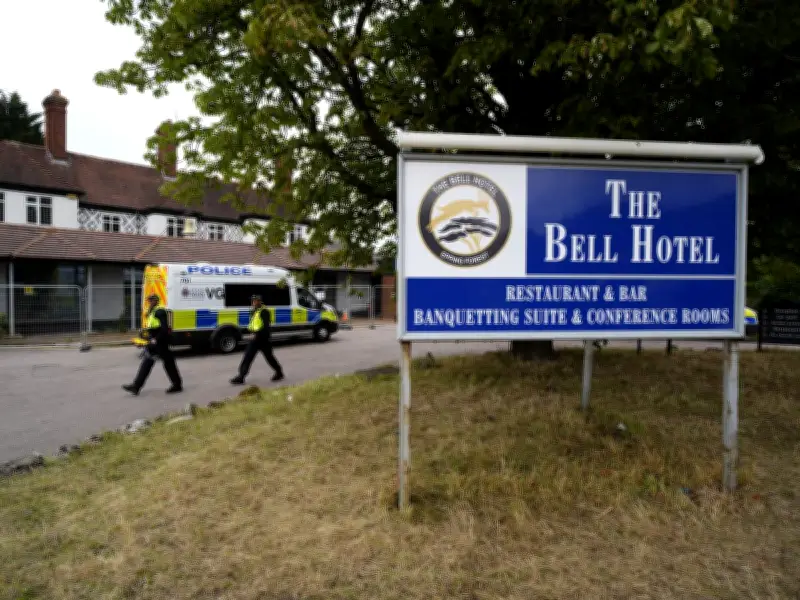
Monday's announcement comes after the Home Office revealed it is planning to use more former military barracks to house thousands of asylum seekers in its quest to shut all asylum hotels by the next election. The number of people being housed in hotels has fallen to its lowest level since data was first reported in 2022, according to Home Office figures published in April.
Other reforms set to be laid out this week include creating a "single route" that prevents migrants from appealing against a rejected claim and bringing further claims about new matters before their removal.




