
Around 300,000 people working from home across the UK have lost their annual home working allowance, which disappeared at the start of the 2026/27 tax year. Research conducted by Azets, an accountancy and business advisory firm, prior to the change on April 6 revealed that HMRC estimated abolishing the provision for remote workers would generate savings of £115 million over five years from April 2026.
Removal of tax relief on homeworking expenses
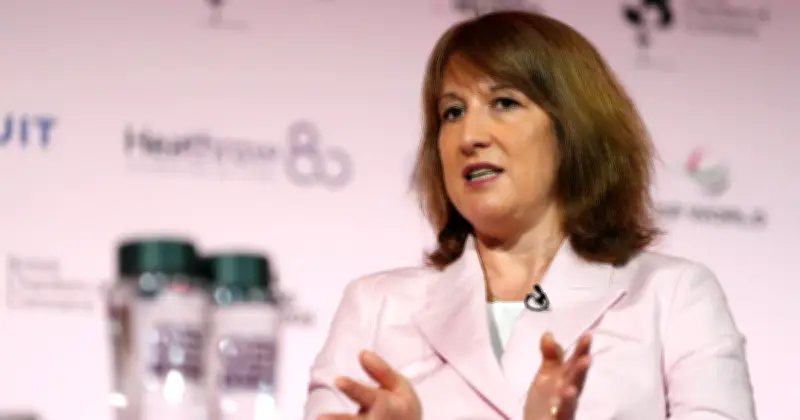
Nevertheless, the removal of tax relief on unreimbursed homeworking expenses could deliver a significant financial blow to a considerable number of people, warned Azets' head of employment tax, Clair Williams. She said: "This tax relief, in place for many years, covers an estimated 300,000 people who incur additional household expenses, such as heating, electricity and business phone calls, in their employment duties. Claimants currently receive tax relief on up to £6 a week and receipts are not required by HMRC."
Removal of this tax relief will mean basic rate taxpayers see a tax increase of £62 and, at the higher rate, £124. However, employers can still reimburse employees for these costs, if eligible, without deducting income tax and National Insurance contributions.
Impact on employees and employers
Eligibility criteria for homeworking expenses was expanded during 2020 to 2021 and 2021 to 2022 to include employees who were required to work from home as a direct consequence of the pandemic, rather than as a result of their specific employment responsibilities. Clair said: "Citing concerns about non-compliance, which is shorthand for fake claims, the government is moving the cost responsibility to the private sector, where the business tax burden this year, at 32 per cent, is already the highest in 28 years."
She added: "It is also worth bearing in mind that local employers may come under pressure to change their policies on reimbursement to provide WFH staff with financial reassurance, and some staff don't have workplaces to go to because their employer doesn't actually have physical premises. Getting rid of the measure will, based on HMRC's own calculations, save the Treasury £115 million over five years from introduction."
Chancellor's announcement and fiscal drag concerns
Chancellor Rachel Reeves unveiled the abolition of the tax relief in last year's Autumn Budget. "With so many policy announcements made then, this one perhaps fell through the cracks of general awareness," Clair said. "The estimated 300,000 people currently claiming for the tax relief can do so for tax year 2025-2026 and retrospectively for up to four previous tax years, but this will no longer be possible for the new tax year starting this April. The deadline for claiming tax relief in relation to the 2021-22 tax year is April 5, 2026."
Clair warned that certain employees may inadvertently find themselves shifted into a higher income tax bracket due to the ongoing freeze in tax bands, a phenomenon referred to as fiscal drag. She continued: "While the abolition of home working tax relief spells good news for the nation's coffers, it could well mean administrative headaches for businesses and a financial hit to WFH staff."




