
Universal Credit claimants face a 'penalty' as some individuals receive £140 less due to their age. Benefits experts recently addressed MPs, highlighting that certain claimants receive 'a lower payment'.
Policy Advocates Speak to Committees
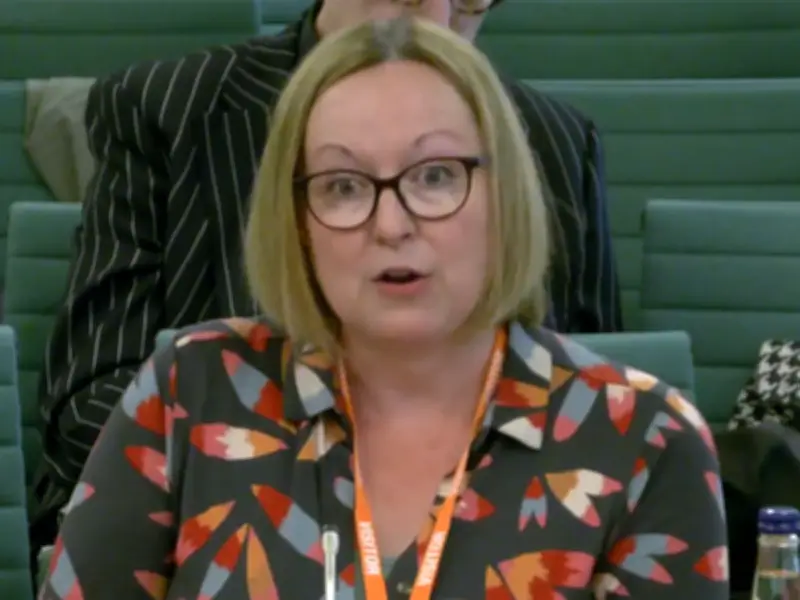
Policy advocates appeared before the Work and Pensions Committee and the Education Committee to discuss the implementation of the Child Poverty Strategy. Charis Chittick, from One Parent Families Scotland, emphasised what she termed the 'young parent penalty', where 'under 25s will get a lower payment'. She told the committee: 'That is where under-25s are paid a lower rate of Universal Credit than over-25s. That used to be mitigated for young parents; it is not any more. That is why we call it the young parent penalty.'
Chittick added: 'The costs are still the same for those young people. It costs the same amount to raise a child whether you are 22 or 32. We really need to see that policy changed to protect children and families as well.'
Age-Based Payment Differences
The issue stems from the fact that Universal Credit's monthly standard allowance varies by age. Single claimants under 25 receive £338.58 per month, while those aged 25 and over get £424.90—a difference of £86.32. For couples both under 25, the household receives £528.34 per month, whereas couples with at least one partner aged 25 or over get £666.97, a gap of £138.63. Universal Credit claimants can also receive extra support for children in their care.
Additional Support for Families
Claimants can receive £303.94 per month for each child living with them, on top of the standard allowance. Additional amounts are available if a child is disabled and receives certain other benefits: £164.79 per month at the lower rate and £514.71 per month at the higher rate. Working Universal Credit claimants can also claim back up to 85% of their childcare costs. Parents are also advised to check eligibility for Child Benefit, worth £27.05 per week for the eldest or only child and £17.90 per week for each additional child.
DWP Response
The Department for Work and Pensions (DWP) was asked to explain the rationale behind the age-based Universal Credit rates. A DWP spokesperson stated: 'Universal Credit includes separate elements to support eligible customers with the cost of housing, children and childcare, and working families on Universal Credit can claim up to 85 per cent of eligible childcare costs each month. What’s more, our Child Poverty Strategy will lift 550,000 children out of poverty in 2030 – the biggest reduction in a single parliament.'
The spokesperson added: 'We’re also rebalancing Universal Credit to tackle the perverse incentives that discourage work while delivering the first sustained above inflation rise in the basic rate since it was introduced.'
The department noted that young people in work typically earn less than those over 25 and are more likely to live in someone else's household with lower living costs. The DWP said the lower rate for under-25s provides an incentive for younger people to find work and progress in their careers. The Government body also highlighted that claimants are receiving an above-inflation increase in payments, as set out in the Universal Credit Act 2025. As a result, single claimants under 25 will receive an extra £255 this year—over £110 more than if payments had risen with inflation alone. For a couple both under 25, the increase is around £365 this year, which is £140 more than if uprated by inflation alone.




