

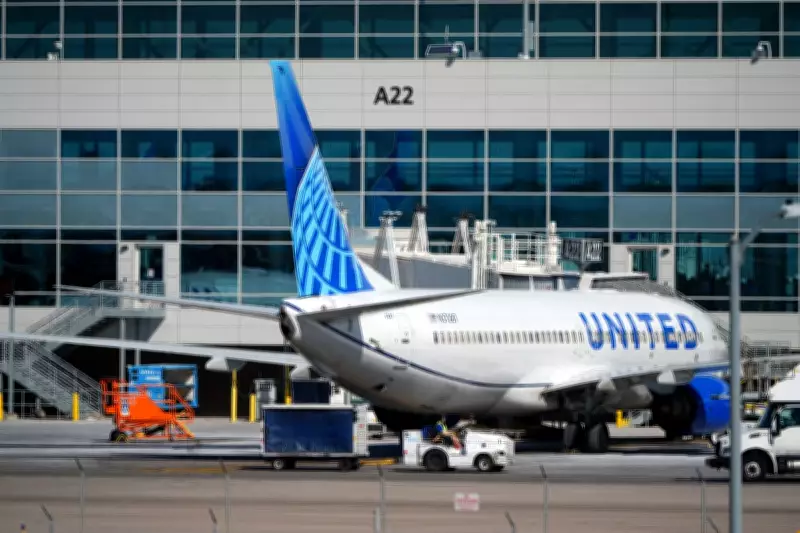
United Airlines Chief Executive Officer Scott Kirby has reportedly pitched the potential for a merger with rival American Airlines during a meeting with former U.S. President Donald Trump in late February, according to two sources familiar with the matter. This proposed combination would involve two of the largest network carriers in the United States, marking the most significant consolidation in the airline industry in over a decade.
Details of the Proposed Merger
The discussion took place in a meeting where Kirby argued that a merged airline would be a stronger international competitor, aligning with the Trump administration's focus on addressing trade deficits. The proposal comes at a time when the domestic airline market is already highly concentrated, raising concerns about reduced competition and potential impacts on consumers.
Market and Regulatory Implications
Industry experts and officials believe the deal faces significant regulatory hurdles and opposition due to fears over reduced competition, higher ticket prices, and potential job losses. The merger would likely undergo intense scrutiny from antitrust authorities, given its potential to reshape the aviation landscape.

American Airlines, which is currently under pressure to improve profitability and manage substantial debt, saw its shares rise following the report of the merger talks. In contrast, United Airlines' shares remained largely unchanged, indicating mixed market reactions to the news.
Broader Industry Context
This potential merger highlights ongoing trends in the airline sector, where carriers seek to enhance their competitive edge through consolidation. The move could have far-reaching effects on domestic and international travel, influencing everything from pricing strategies to route networks.
As the situation develops, stakeholders will be closely monitoring regulatory responses and further discussions between the airlines and government officials. The outcome could set a precedent for future mergers in the industry, shaping the competitive dynamics for years to come.






