

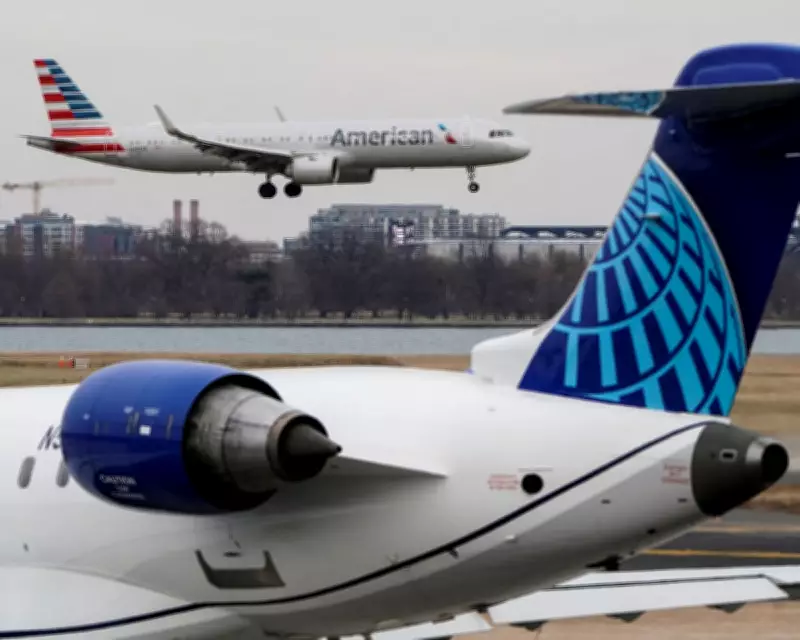
United and American Airlines Merger Talks Spark Industry Turmoil
In a development that could dramatically reshape the global aviation landscape, United Airlines and American Airlines are reportedly engaged in advanced discussions regarding a potential merger. Sources close to the negotiations suggest that talks have progressed significantly, with both carriers exploring the formation of what would become the world's largest airline by fleet size and passenger volume. This move, if finalised, would mark one of the most substantial consolidations in the history of commercial aviation, potentially triggering widespread regulatory scrutiny and competitive responses from rival airlines across continents.
Potential Impact on the Aviation Sector
The proposed merger between United Airlines and American Airlines is expected to have profound implications for the aviation industry. Analysts predict that combining these two major carriers would create an entity with unparalleled operational scale, encompassing a vast network of domestic and international routes. This consolidation could lead to significant cost synergies, including streamlined operations, reduced overheads, and enhanced purchasing power for aircraft and fuel. However, concerns are mounting about potential negative consequences for consumers, such as reduced competition, higher ticket prices, and diminished service quality on certain routes where the merged airline would hold a dominant market position.
Regulatory Hurdles and Market Reactions
Any merger of this magnitude is likely to face intense regulatory scrutiny from authorities in multiple jurisdictions, including the United States Department of Justice and the European Commission. Antitrust experts warn that the deal could be challenged on grounds of substantially lessening competition in key markets, particularly on transatlantic and domestic U.S. routes. Meanwhile, financial markets have reacted with volatility, with shares in both airlines experiencing fluctuations as investors weigh the potential benefits against regulatory risks. Rival carriers, such as Delta Air Lines and Southwest Airlines, are closely monitoring the situation, with some industry insiders speculating about possible counter-mergers or strategic alliances to maintain competitive balance.

Historical Context and Future Prospects
The aviation industry has a long history of consolidation, with previous mergers like Delta-Northwest and United-Continental reshaping the competitive landscape. The current talks between United and American Airlines represent a continuation of this trend, driven by factors such as rising operational costs, fluctuating fuel prices, and the post-pandemic recovery of air travel demand. If successful, the merger could set a precedent for further consolidation globally, influencing airline strategies in Europe, Asia, and beyond. Stakeholders, including employees, passengers, and investors, are awaiting further details with bated breath, as the outcome of these discussions could redefine air travel for decades to come.






