
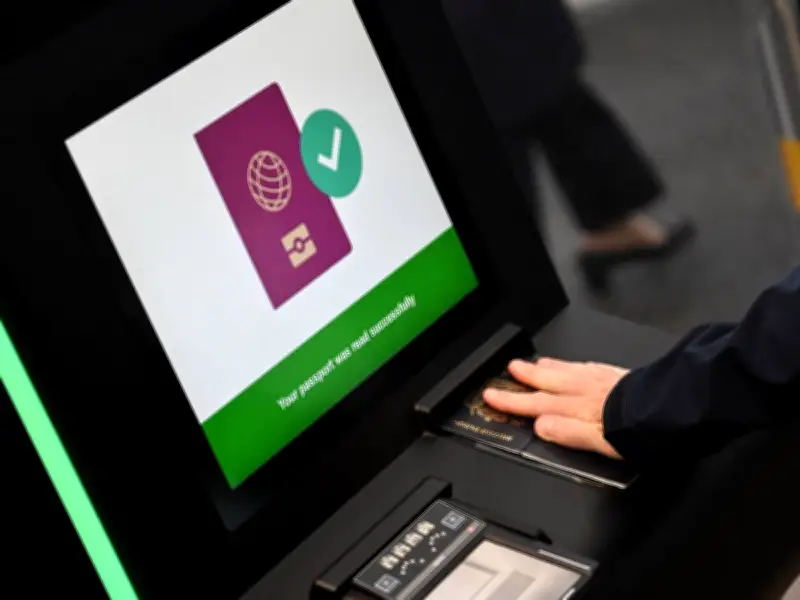
UK travellers heading to Europe will need to pay a new £17 fee from late 2026 under the European Travel Information and Authorisation System (ETIAS). The charge, equivalent to €20, applies to short stays of up to 90 days in 30 European nations.
Passport Confusion Persists
Research by Saga Travel Insurance reveals widespread uncertainty over entry requirements. A survey of 500 UK adults found 16% unaware of their passport expiry date, 10% with less than a year remaining, and 8% carrying expired passports. One in 14 (7%) had been refused entry due to insufficient passport validity.
Post-Brexit Rules
Half of holidaymakers lack confidence in understanding visa and travel requirements for Europe post-Brexit. Michelle Cooper, Saga's director of Travel Insurance, warns: "Travellers can spend up to 90 days in the Schengen area within any rolling 180-day period. Frequent short breaks can push you over the limit, leading to fines or bans."
The 10-Year Passport Rule
EU countries require passports to be less than 10 years old on entry. Passports issued before 2018 may have extra validity, so travellers must check both issue and expiry dates.
ETIAS Details
From late 2026, Brits must obtain ETIAS approval before travelling to most European countries. The system mirrors the UK's ETA and the US ESTA. Applications are typically processed within minutes, but delays may occur. Cooper advises: "Apply well in advance to avoid disruptions. Travel insurance won't cover costs if you fail to obtain valid authorisation."




