
Former US President Donald Trump reportedly told Israeli Prime Minister Benjamin Netanyahu not to retaliate against Iran, as the region teeters on the brink of a wider conflict following a series of missile strikes. The call, which lasted under half an hour, came amid escalating hostilities that have seen Iran launch missiles at Israel and Israel strike Iranian military targets.
Key Developments
Israel launched airstrikes early Monday targeting western and central Iran, according to the Israel Defence Forces (IDF). Iranian state TV reported explosions in Isfahan, Karaj, Tabriz, and Tehran, with a witness in Tehran describing at least one large blast west of the capital. Iran closed the airspace around Imam Khomeini International Airport after the attack. The Iranian Revolutionary Guard stated that Israel used air-launched ballistic missiles, though details on damage remain scarce.
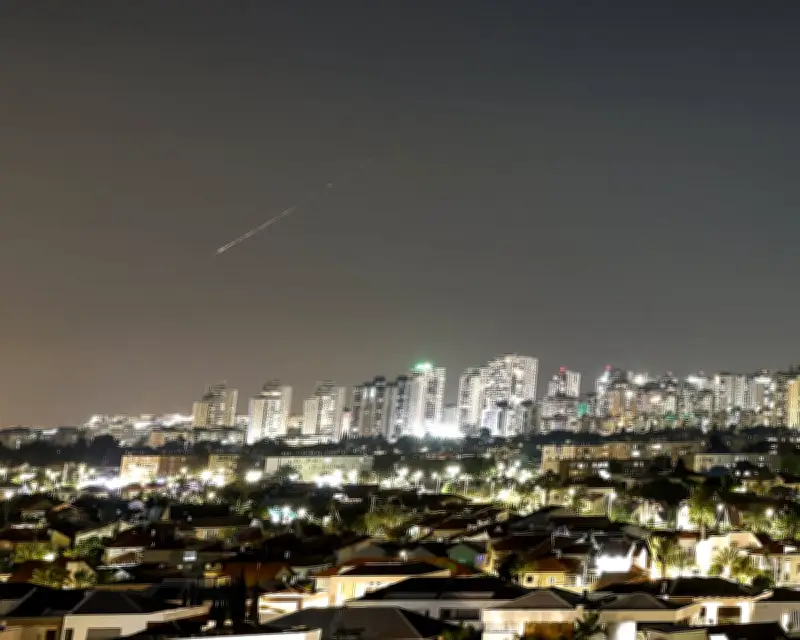
Earlier, Iran fired missiles at Israel, prompting the IDF to urge civilians to take shelter. The Israeli military reported intercepting several missiles, with no immediate casualties. In response, Israel carried out strikes on Iranian military targets in western and central Iran. The White House did not comment on whether the strikes were coordinated with the US.
Impact on Global Markets
The escalation sent shockwaves through global markets. Asian stocks fell sharply on Monday, with Japan's Nikkei 225 dropping 3.41% and South Korea's Kospi sliding 6.81%. Oil prices surged, with Brent crude rising 2.4% to $95.32 a barrel and West Texas Intermediate gaining 2.3% to $92.59. The Strait of Hormuz, a critical chokepoint for global oil shipments, remains severely constrained, though Iran's ambassador to Moscow indicated it would reopen with new conditions, including a transit fee.
Diplomatic Reactions
EU foreign policy chief Kaja Kallas urged calm, stating that the region does not need further escalation and that parties should return to negotiations. British Foreign Secretary Yvette Cooper called for restraint, emphasizing that negotiations must continue for a lasting settlement. Saudi Arabia's civil defence issued a warning in the Al-Kharj governorate, home to Prince Sultan air base hosting US forces, but later declared the danger had passed.
The conflict, which began on 28 February with the killing of Iran's supreme leader, has seen a nominal ceasefire since 8 April, but tensions remain high. Iran has linked any peace deal to a ceasefire in Lebanon, where Israel has been fighting Hezbollah. Despite a US truce plan for Lebanon, Hezbollah rejected it, and Israel struck southern Beirut on Sunday. Iran's Revolutionary Guard retaliated by targeting Israel's Ramat David air base.
As the situation evolves, the international community watches closely, hoping to prevent a full-scale regional war. The coming days will be critical in determining whether diplomacy can prevail over further military action.




