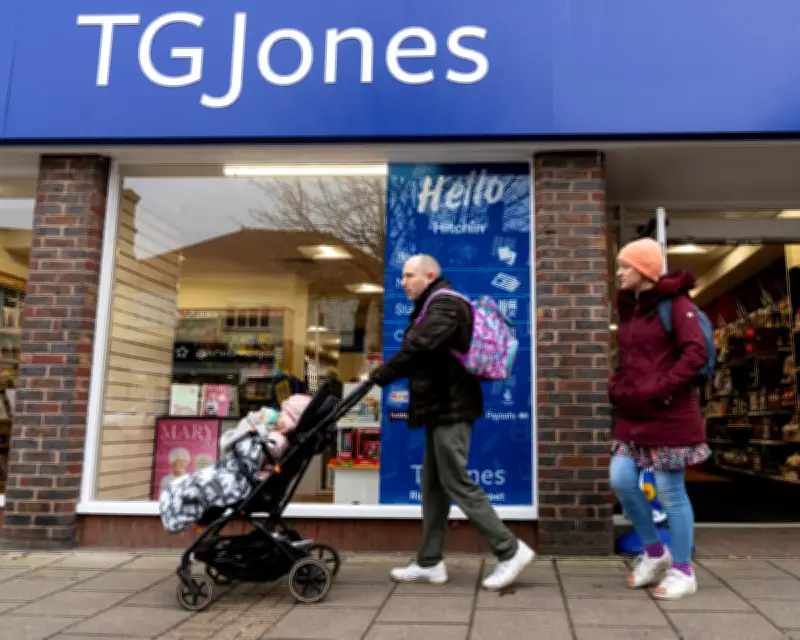
TG Jones restructuring plan gains support from major landlords
The owner of WH Smith's former high street business, TG Jones, will next week seek court approval for a stringent restructuring plan involving the closure of up to 150 stores after major landlords, the Post Office, and some suppliers backed the plan.
According to documents seen by The Guardian, more than 80% of landlords controlling TG Jones' top stores voted to support the deal this week. However, the majority of other classes of landlords, who will face swingeing rental cuts under the plan, voted against it.
Creditor voting and approval process
Several different classes of creditor voted over two days this week on the restructure. The plan requires approval from just one class of creditor, judged as backing from 75% or more, and from a high court judge to go ahead. Only 72% of business rates creditors – mostly local councils – backed the plan, and less than a third of general creditors, including card makers and pen brands, gave it the thumbs up. No landlords owning unwanted stores where rent will be cut to zero or closed backed the plan.
Small suppliers are to lose at least half the money owed to them by the former WH Smith high street chain if a High Court judge approves the restructure next week. There will be two hearings related to the two companies which make up TG Jones that are being restructured – one on Monday and one on Tuesday.
Impact on small suppliers and store closures
The books-to-paperclips retailer, which has 450 stores, was bought by the private equity firm Modella Capital last year and rebranded TG Jones. The company has said it is likely that it will have to call in administrators if its restructuring plan is not approved.
Dozens of “exit contract” suppliers, which TG Jones does not wish to work with in future, including toy makers and greetings card companies, are expected to have debts owed to them by the retailer wiped out if the proposal is approved. They would retain the right to a share of any profits over a certain level from the retailer – which is now loss-making – in three years' time.