Rotisserie chickens, once glistening and mouth-watering, often end up as carcasses piled in supermarket trash, their juices congealing into slimy jelly. Ann Larson, a former cashier at a chain supermarket, witnessed this firsthand and later researched the industry for her book, uncovering systemic issues.
Over-stocking Leads to Massive Waste
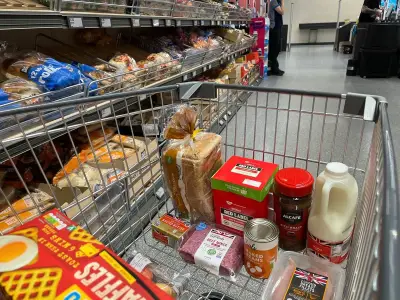
Larson recalls a deli employee saying, "Last night we tossed out about sixteen birds." Managers insisted the rotisserie case be full at all times because a full case looks appetizing, while a half-empty one appears sad. Workers arrived before dawn to season and roast dozens of birds, continuing throughout the day, only to discard leftovers at closing. A bakery employee added that one to two cartloads of fresh bread were thrown out nightly to keep shelves looking full.
In the US, up to 40 percent of food produced for consumption goes uneaten, making food the largest contributor to landfills and accounting for up to 10 percent of greenhouse gas emissions. According to a USDA study, about 31 percent of waste—133 billion pounds—occurs after food reaches stores, largely due to over-stocking.
Edible Food Discarded, Donations Costly
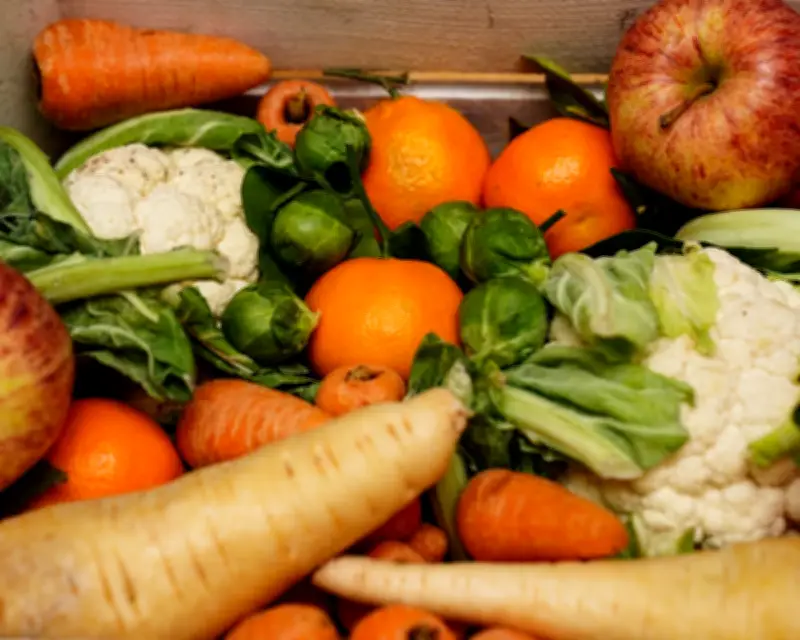
Shoppers prefer undented boxes and unblemished produce, so edible but imperfect food is often tossed. A produce department colleague documented waste, sending photos of carts brimming with boxed salad greens and containers of fresh berries. "We throw out between one and two carts every day," she said, noting that policy requires tossing food two days before expiration. Donations would require a costly new supply chain, making it cheaper to throw food out than give it away.
Worker Hardship Amidst Abundance
Food waste is especially disturbing given that more Americans are hungry today than during the pandemic, and 70 percent struggle to afford basic needs. The food industry employs more people than any other, with workers—disproportionately people of color and immigrants—earning low wages and facing high food insecurity. A 2022 Economic Roundtable report showed about three-quarters of Kroger workers struggled to keep food on the table. Since 2024, grocery worker wages have fallen 15 percent when adjusted for inflation.
Signs of employee hunger were common. One colleague was fired for marking down nearly expired ground beef to take home. Another spent days off at a plasma clinic to earn grocery money.
Connection Between Labor and Waste
Companies that don't pay a living wage use savings to over-stock shelves, creating an appearance of abundance that masks worker insecurity. If employers were forced to raise pay and improve conditions, they would have to rethink a business model that justifies food waste. Larson, author of Cleanup on Aisle Five: Essential Work, Poverty Wages, and the View from Behind the Supermarket Register, notes that every time she shops, she thinks of the workers who prepared food knowing it might end up in the trash.