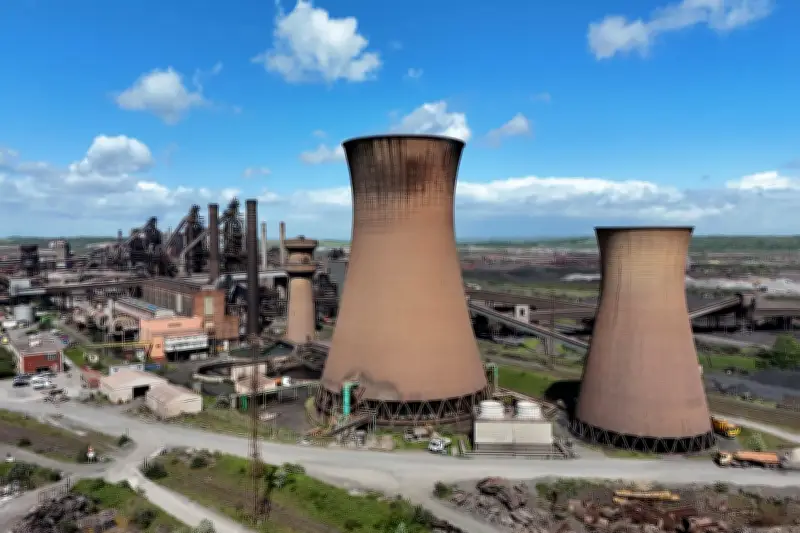
The Steel Industry (Nationalisation) Bill has cleared its committee stage in the House of Lords, moving the government closer to gaining powers to nationalise parts of the steel industry. The bill, which passed without amendments, would allow ministers to bring British Steel into public ownership once enacted.
Concerns Raised Over Blank Cheque
During the debate, peers expressed concerns about the industry being run on a blank cheque and whether parliamentary approval would be needed for public ownership. Conservative shadow business minister Lord Sharpe of Epsom proposed an amendment to cap financial assistance at £2.5 billion until August 2029.
Lord Sharpe said: “We understand the need for urgent support, but the Government’s stated objective is not permanent public subsidy, it is a viable, competitive private-sector led future for British steel.” He added: “Without such limits, taxpayers are simply being asked to sign up to an unlimited liability.”
Government Rejects Spending Cap
Industry minister Lord Leong rejected the amendment, stating: “Imposing a fixed cap of any kind on financial assistance would risk constraining the Government’s ability to respond effectively to evolving circumstances. It could ultimately undermine the very objectives the Bill is designed to achieve, which is, namely, the protection of our domestic capability in a strategically vital sector.”
Lord Leong emphasised that the bill contains “proportionate and robust measures to ensure transparency and accountability.”
Liberal Democrat Amendment on Parliamentary Scrutiny
Liberal Democrat business spokesperson Lord Fox proposed an amendment requiring any financial support to be approved by both Houses of Parliament, with funding delayed for 90 days after select committees receive information about the package.
Lord Fox said: “This amendment proposes that the select committee should look at the details and nature of the amount of financial assistance, the intended beneficiary or beneficiaries, the expected purpose and effect, any conditions, repayments, arrangements, guarantees, indemnities or other liabilities attached.”
Lord Leong countered that such amendments would create delays posing threats to the industries the financial package aims to save. He noted that the government has been open about costs incurred in supporting British Steel in Scunthorpe.
He said: “I would respectfully suggest that these amendments are not realistic, given that financial assistance may need to be provided immediately following a transfer. It is unlikely that there will be time for parliamentary scrutiny envisaged by this amendment without imposing significant risk to the continued operation of the steel undertaking.”
Background and Next Steps
Last year, Parliament passed special powers allowing the government to direct British Steel operations in Scunthorpe, North Lincolnshire, preventing owner Jingye from closing blast furnaces. However, the company remained privately owned. The government reportedly tried to negotiate a commercial sale with British Steel’s owners but failed to reach a deal.
The debate was briefly interrupted by news of England’s World Cup game, as Lord Leong informed colleagues that Harry Kane had scored.
The bill will now be further considered at report stage in the House of Lords, where amendments will be voted on, before returning to the Commons for approval.