SpaceX’s blockbuster initial public offering (IPO) closed its first day of trading at $160.95 per share, a 19% increase from its IPO price of $135. The company ended the day with a valuation of $2.1tn, making Elon Musk the world’s first trillionaire. The IPO raised $75bn, breaking records for the largest ever public offering.
However, analysts have warned that the valuation may be overblown. SpaceX’s filings earlier this year revealed that it loses billions of dollars annually, with profits primarily coming from its satellite internet service. The company’s future relies heavily on Musk’s ambitious plans for space-based data centres and Mars colonies, which may take years to materialise.
The IPO has also sparked political backlash. Prominent Democrats, including Senators Bernie Sanders and Elizabeth Warren, criticised Musk’s extreme wealth, calling for a wealth tax. California Governor Gavin Newsom posted that “the system is rigged”, while the Democratic Party’s official account referenced cuts Musk made to children’s cancer research during his time in government.

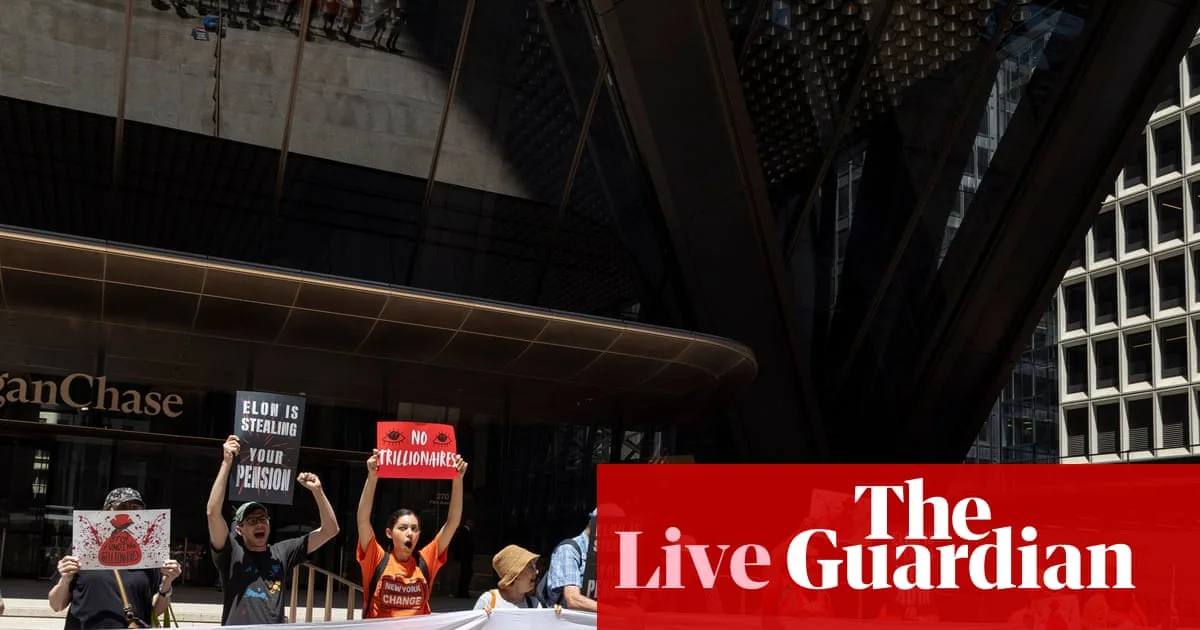
French economist Gabriel Zucman warned that such economic disparity could have profound societal effects. “The battle between democracy and oligarchy will be the defining battle of the 21st century,” he said. Anti-billionaire protesters also gathered outside JPMorgan’s Manhattan headquarters to voice their opposition.