
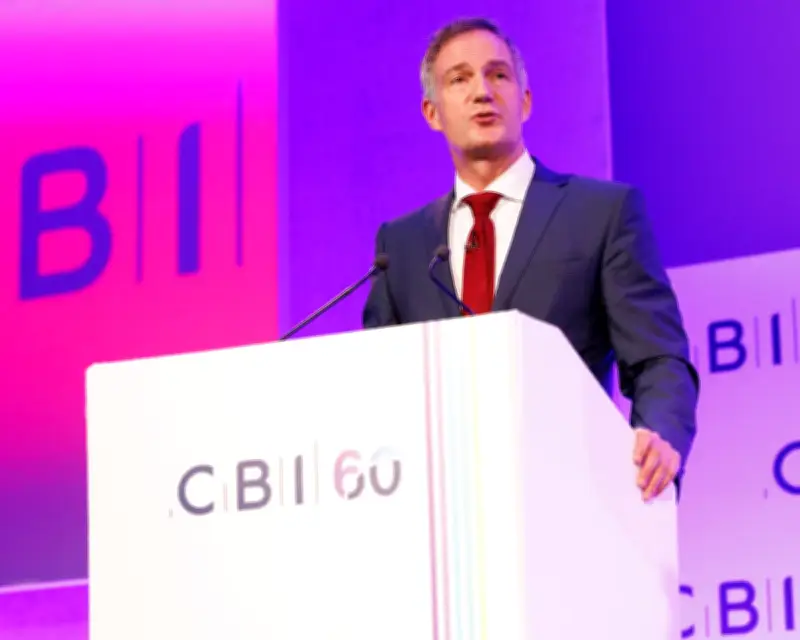
Peter Kyle, the business secretary, has set an ambitious goal to nurture the UK's first trillion-dollar company, but critics argue his aggressive approach to state intervention may be overblown. In a recent announcement, Kyle launched a 'concierge service' to help fast-growing companies navigate Whitehall bureaucracy, framing it as part of his quest to create a firm worth approximately £750bn. This target dwarfs the current largest London-listed company, HSBC, valued at £235bn, and US-listed Arm Holdings at £280bn.
Concerns Over Risk-Taking with Public Funds
Kyle's rhetoric has raised eyebrows, particularly his comments about taking more risks with public money through the British Business Bank (BBB) and the National Wealth Fund (NWF). He stated, 'You are going to start to see us take more risks, upping the risk threshold in our desire to back British innovation as it scales.' However, experts warn that this blurs the line between political ambition and prudent fund management. The BBB and NWF are designed to operate independently, with politicians staying clear of day-to-day investment decisions.
Aggressive Ambition vs. Responsible Investment
The term 'aggressively ambitious' has been criticized as jarring, with suggestions that 'strategic' or 'patient' would be more appropriate. The BBB prides itself on deploying public capital responsibly, aligning with private-sector standards. While the BBB has increased its direct investment capacity to £150m per company, recent moves like £100m into Oxford Quantum Circuits reflect follow-on investments rather than speculative bets. Kyle's push for bolder action may undermine the disciplined approach that has characterized these institutions.
Defending Interventionist Policy
Kyle has defended his stance, rejecting accusations of 1970s-style corporatism. He argues that the years of watching British industry decline are over and champions an activist, interventionist industrial policy to drive economic growth. While the BBB and NWF focus on filling funding gaps for startups and scale-ups, rather than rescuing failing firms, Kyle's excitable language about 'betting big' may oversell their role. The bulk of their activities involve lending and loan guarantees, with equity investments typically made alongside private-sector partners.
Ultimately, the goal of improving access to financing for young companies and critical infrastructure is worthwhile. However, Kyle would do well to temper his rhetoric and stick to the principles of strict risk criteria and disciplined investment that originally defined the strategy.




