
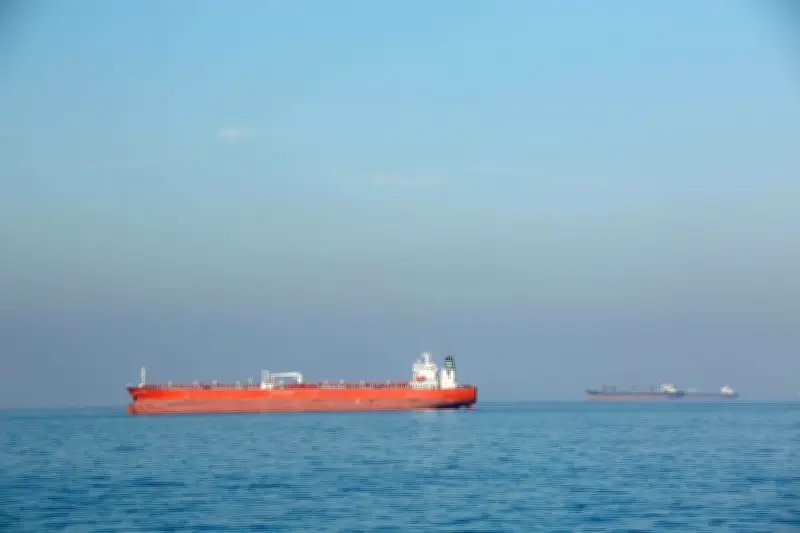
Oil prices have dropped to levels last seen before the war in the Middle East as the crucial Strait of Hormuz reopens gradually following the US-Iran peace deal. Brent crude fell back to below 73 US dollars a barrel for the first time since the Iran war started on February 28, down around 2% to 72.24 US dollars a barrel at one stage.
Easing Cost-of-Living Pressures
The decline sparks hope of easing cost-of-living pressures as prices begin retreating at the petrol pumps thanks to the drops in wholesale cost of crude. The declines follow last week’s interim agreement to end the war and the reopening of the Strait of Hormuz, through which a fifth of the world’s oil and gas is normally shipped.
The US and Iran signed a memorandum of understanding on Friday lasting 60 days, which has seen the US partially lift sanctions on Iranian oil exports. Leaders from both countries now have two months to hammer out the details of a final and lasting deal, which will also include assurances over Iran’s nuclear programme.
Gradual Reopening of the Strait
While the interim deal has already been tested, some ships are beginning to pass through the vital strait, said to be carrying crude oil, liquefied natural gas (LNG) and fertiliser, as well as some goods. Susannah Streeter, chief investment strategist at the Wealth Club, said: “Fears of a long-lasting global energy crunch induced by the Iran conflict are slinking away, with oil prices sinking back towards pre-crisis levels.”
She added: “The chokehold on the Strait of Hormuz has been released, tanker traffic is flowing more freely, and supply concerns are fading. There’s still a long way to go to clear the backlog and fully meet demand, but with oil-producing nations turning on the taps and repairs to infrastructure ongoing, oil prices are on the decline.”
Impact on Energy Markets
Oil and energy prices were sent soaring after the conflict started, with crude hitting 120 dollars a barrel at one stage. The war saw the Strait of Hormuz effectively blocked for nearly four months and the knock-on impact led to fears over soaring inflation in the UK and worldwide. Gas and electricity prices have already jumped higher for British households and there have been fears over a painful energy cost spike over the winter months.
But the path to a final resolution is not expected to be smooth, with many thorny details still to be agreed. Since the deal was signed, leaders have repeatedly disagreed in public about what that document actually means, while ongoing fighting between Israel and Hezbollah remains a threat to the US-Iran diplomacy.




