
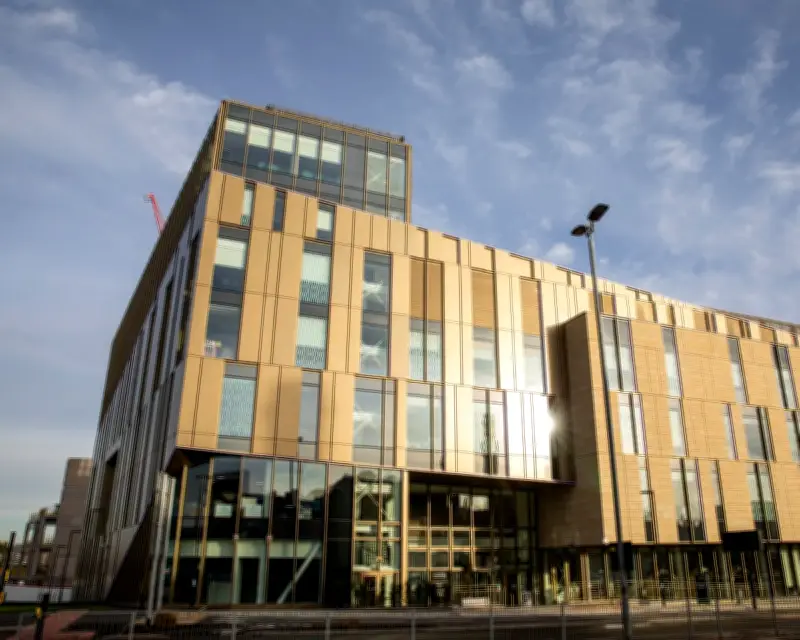
The University of Huddersfield's Daphne Steele building, a collaboration with the local NHS trust, symbolizes a growing trend: northern universities linking with health services to drive innovation and economic growth.
Huddersfield's health innovation campus
Huddersfield, known for manufacturing, has become a hub for health research. Professor Liz Towns-Andrews expects approval for the third of seven eco-buildings at the university's national health innovation campus. In March, the £11 million Emily Siddon building opened, featuring the UK's first MRI scanner simulator. 'It's an MRI without magnets, yet feels fully functional,' says Towns-Andrews.
The project, funded by private and public finance, offers a model for universities facing financial strain. While Oxford and Cambridge lead in medical spin-outs, others partner with health trusts and councils to boost local economies.
Financial challenges and successes
A University of East London report found nearly 40 of 160 universities near bankruptcy. Wes Streeting, before leaving as health secretary, allocated investment funds for new health centres, but delays persist. In contrast, Huddersfield reported a £10 million operating surplus in 2024-25. Its campus hosts Britain's first community diagnostic centre on a university campus, in partnership with Calderdale and Huddersfield NHS Foundation Trust.
Towns-Andrews insists buildings meet green and Well health standards, aiming for top 50 worldwide. She targets low worker productivity in Yorkshire and Humberside: 'Getting people healthy and fit to work makes the biggest impact on productivity.'
Regional collaboration
Universities, health trusts, and councils in West Yorkshire joined forces to secure £2 billion from the investment zone, amid funding squeezes. These institutions are major employers, enabling private firms to sign long-term agreements. Many health device and drug manufacturers are attracted to the UK's globally recognized university sector, with some shifting focus from Oxford and Cambridge to other regions.
Manchester's industrial revival
Next year, FTSE 100 company Convatec opens a research and development centre in Manchester, part of £500 million UK investment. The firm chose Manchester alongside Boston, Massachusetts, for its global R&D operations, citing collaborations with universities and NHS trusts.
Professor Tony Young, NHS England's national clinical director for innovation, says Donald Trump's chaotic business attitude and Rachel Reeves' industrial policy have encouraged US health companies to back UK research. Young, who founded five companies while training as a urology surgeon, notes the NHS now acts as an integrator, bringing together Nobel winners and clinicians in an innovative ecosystem.
Support for businesses
Towns-Andrews' health hub has supported 380 companies since September 2023, with numbers expected to grow. Young highlights tie-ups involving hospitals, universities, investors, industry, and charities like Cancer Research UK.
Across from the Emily Siddon building, a 125-year-old textile mill will be partly restored by Paxman Scalp Cooling, a fast-growing business. Its scalp cooling caps prevent hair loss during chemotherapy, used by 97% of NHS trusts and in 50 countries, with over 50% of exports to US hospitals. CEO Richard Paxman credits university partnerships for fuelling innovation and job creation.
Setbacks and opportunities
Labour has faced setbacks, including AstraZeneca scrapping a £450 million vaccine facility in Speke due to reduced government support. US companies Palantir and Epic Systems have won big NHS contracts controversially. However, Carson McCombe, head of innovation at Huddersfield, sees opportunity: 'Combining council, university, and health trust creates a powerful economic engine.'
Universities UK president Malcolm Press notes the sector contributes £158 billion to the economy. A Federal Reserve Bank of Philadelphia study found higher education and hospitals provide 18 million jobs and £1.1 trillion in income. Manchester Metropolitan University's vice chancellor highlights 'health innovation Manchester,' a digital network linking all universities and health trusts to translate research into local benefits.
Derby University and Sandwell College have signed deals with NHS trusts this year. Kingston University in west London develops links with hospital trusts to support medical training and small businesses using health technology. Provost Professor Kathy Curtis says universities are now more agile: 'When industry comes with a problem, we tailor the answer to their needs.'




