Nato Secretary General Mark Rutte has voiced confidence that Andy Burnham, expected to become the UK's next prime minister, will uphold the alliance's long-term defence spending commitments. During a visit to London, Rutte stressed that increased military investment could stimulate economic growth, aligning with Burnham's recent remarks on public procurement reform.
Meeting with Outgoing PM Keir Starmer
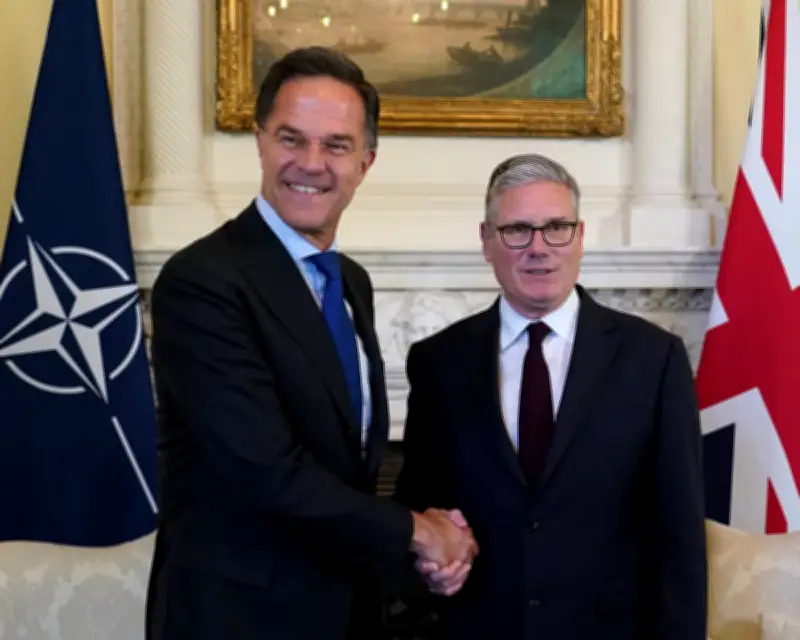
Rutte spoke after meeting Keir Starmer in Downing Street on Monday, alongside Defence Secretary Dan Jarvis and Foreign Secretary Yvette Cooper. He thanked Starmer for his efforts in rallying European and global support for Ukraine, including military aid and diplomatic backing.
Defence Spending Target and Timeline
Rutte indicated he does not expect the UK to meet the 3.5% GDP defence spending target by 2035 in one leap when the long-awaited defence investment plan is unveiled on Tuesday. However, he believes Burnham will recognize the dual benefits of boosting spending by nearly £30bn annually: enhancing national security and creating jobs.
“I can imagine that the new prime minister will be extremely interested in the issue of economic growth and more jobs,” Rutte said. “Defence spending does two things at the same time. One, your first priority as a government, keep the country safe, obviously number one. But also second [is the] impact of your defence investments. Next to keeping the country safe and strong, is [the fact] it will create jobs.”
Background on Defence Spending Dispute
The UK's defence spending trajectory has been contentious. Former Defence Secretary John Healey resigned earlier this month, arguing the UK was moving too slowly toward the 3.5% target. He objected to Starmer's offer to spend only 2.68% by 2030, a £2bn increase from this year, leaving insufficient time to reach 3.5% by 2035—a target the UK endorsed at a Nato summit last year.
Rutte tactfully noted that the UK's defence investment plan would include “a considerable figure and money commitment” as “a step on course to get to the 3.5% later.”
Details of the Defence Investment Plan
The 10-year plan covers over £300bn in major projects. After months of negotiations, an initial funding shortfall of £18bn has reportedly been reduced to under £4bn, with Defence Secretary Dan Jarvis securing an additional £1bn recently.
Rutte's Comments on Burnham and Economic Growth
Rutte, who had no direct contact with Burnham, noted that Labour prime ministers historically showed “a consistent commitment to Nato.” He added, “Judging from history, I don't think the UK will change its defence policy under Burnham.”
Burnham, speaking at the People's History Museum in Manchester, criticized UK procurement policy for “chasing cut price deals around the world” and vowed that future spending would ensure “every pound raised from taxpayers will work harder for them,” including in defence.
International Comparisons
Rutte pointed out that other Nato members are progressing faster. Germany, for instance, is set to meet its spending target by 2029, six years ahead of schedule, though in incremental steps.
The Nato chief's visit precedes next week's Nato summit in Ankara, Turkey, where further defence commitments are expected.