
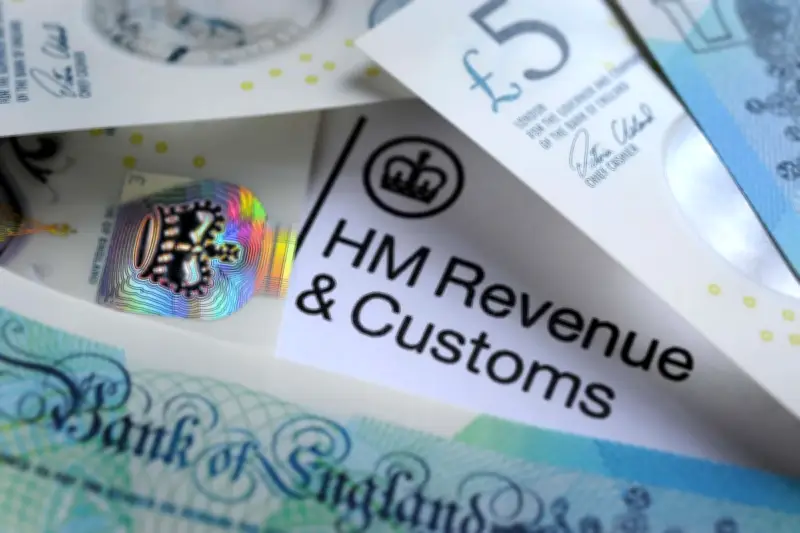
HM Revenue & Customs (HMRC) faced a £59.2 billion shortfall from unpaid taxes in the 2024-25 tax year, according to newly released figures. The tax gap, which measures the difference between expected tax revenue and what was actually collected, stood at 6.4%, up from a revised 6% in the previous year when the shortfall was £52.8 billion.
Small Businesses Drive Majority of Tax Gap
Non-compliance by small businesses accounted for 62% of the total tax gap, the largest share across all customer groups. HMRC attributed this largely to unpaid corporation tax, for which the overall gap rose to 18.1% in the latest year. Corporation tax is levied on business profits from trading, investments, and asset sales, with rates varying based on profit levels.
Behavioural Drivers and Evasion
Failure to take reasonable care due to carelessness or negligence remained the primary behavioural driver of unpaid tax, followed by error. Tax evasion represented 12% of the 2024-25 tax gap, HMRC said.
Rachael Griffin, tax and financial planning expert at Quilter, commented: “Closing even a fraction of the £59.2 billion tax gap could play a meaningful role in supporting the public finances without the need for further headline tax rises. Improving how the system works in practice, particularly for small businesses and those newly entering self assessment, may prove just as important as any changes to tax rates in the months ahead. Simplifying a tax system that continues to grow ever more complex should be high up on the to-do list.”
HMRC’s Transformation Challenges
HMRC chief executive JP Marks acknowledged the difficulties, stating: “Today’s estimates reflect the changing world in which HMRC operates, where it is becoming more difficult to tackle non-compliance through traditional approaches alone. That is why our aim is a well-designed modern tax system that makes it easier to get things right first time and harder to get things wrong, and which allows us to respond effectively to non-compliance and tackle criminal activity.”




