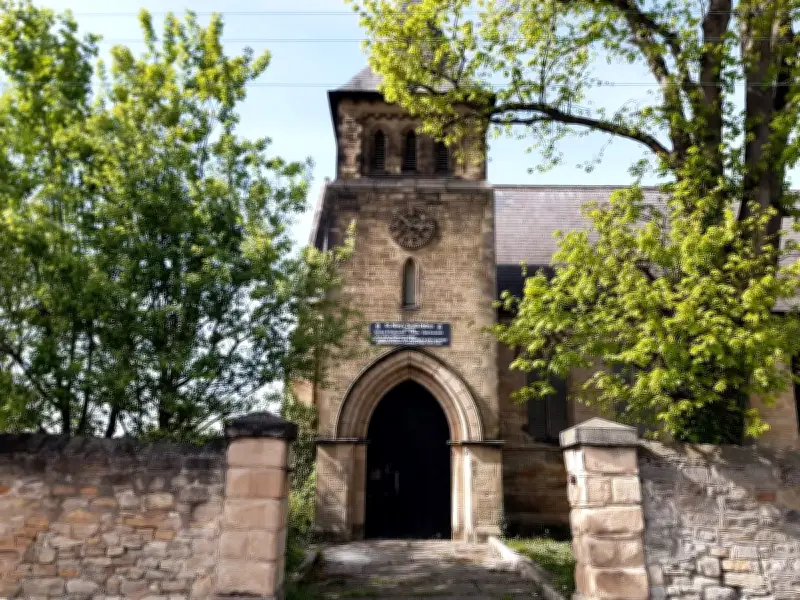
The Durham Diocese Board of Finance has applied for listed building consent to remove the full chime of eight church bells from St Mary's Church in South Hylton, a Grade II-listed building in the North East.
Church closed due to declining congregation
An accompanying heritage statement reveals that owing to a "declining congregation" and the cost of ongoing repairs, the church has shut its doors as a formal place of worship and is currently in a "use seeking period".
The most recent proposal for the building was outlined as "remedial work" and repurposing it as an "arts hub for the South Hylton community", with a 'certificate of lawfulness' connected to the church's change of use having been granted last year.
Plans to remove and relocate the bells
Against this backdrop, plans have now been submitted to remove the "full chime of eight church bells" from the church's tower, enabling them to be "repaired and sited somewhere where they will be rung".
A design and access statement lodged alongside the plans states it is "likely" that the bells will be "removed to another church" or utilised to train bell ringers at an alternative venue, with either option making them "available to the public to hear".
Should listed building consent be granted by Sunderland City Council, specialist contractors would carry out the work, removing the bells from their hangings and lowering them through existing access hatches.
Condition of the bells
The applicant's heritage statement revealed that tonal analysis had discovered some bells had deteriorated to such an extent that they would "ring flat" and would need to be "recast at a bell foundry, using the original bell-metal" at some point in the future.
While acknowledging that the collection of bells was not "nationally significant", applicants argued they were "worth preserving and reusing somewhere they can be heard again".
The heritage statement continues: "Proposed future plans for the building do not include a use for the bells, current plans from developers largely ignore them and assume they will remain on site."
"However, if they remain in situ it is unlikely that they will ever be rung , and may continue to deteriorate over time, unused."
"We propose that removing and repurposing the bells, employing specialist contractors and equipment, is the best way to preserve them and make them a part of active bell ringing again."
"We consider that repurposing the bells in this way, by repurposing them at a site where they will be rung, will be a public benefit and prevent the eventual loss of part of the building's heritage."
A decision regarding the proposal is anticipated once the consultation period concludes.