

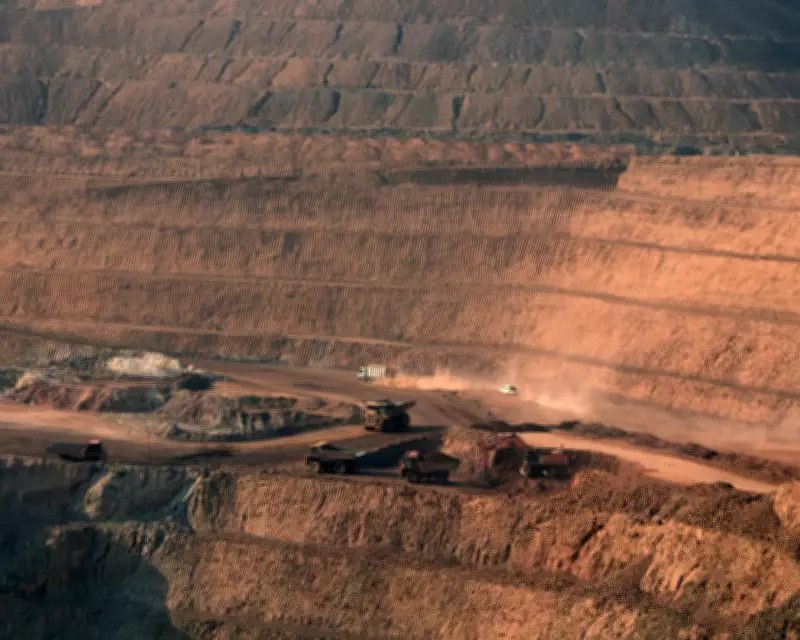
Mining giant Glencore has declared a substantial $2bn payout to its shareholders, a move that comes in the wake of a challenging financial year marked by a 6% decline in annual profits. This decision follows the recent breakdown of merger discussions with Rio Tinto, which would have created a $260bn behemoth in the mining industry.
Financial Performance Amidst Challenges
The FTSE 100-listed company reported that its annual profits slipped to $13.5bn, a decrease attributed primarily to falling coal and energy commodity prices. Despite this downturn, rising metals prices and increased copper output in the latter half of the year provided some offset, though not enough to fully counter the broader slump.
Failed Merger and Strategic Shifts
Talks over a potential merger with Rio Tinto, which could have been the largest deal in mining history, collapsed after months of negotiation. This setback has prompted Glencore to accelerate its copper-focused growth strategy, aiming to more than double production over the next decade. The company targets producing over 1 million tonnes of copper annually by 2028, escalating to 1.6 million tonnes by 2035, positioning itself among the world's top producers.

Historical Context and Industry Dynamics
Merger ideas between Glencore and Rio Tinto have surfaced multiple times over the past two decades, with initial discussions occurring just before the 2008 global financial crisis. Rio Tinto previously rejected a merger approach in 2014, and the latest round of talks in 2024 also ended without agreement. This follows other major industry consolidations, such as the $53bn deal between Anglo American and Teck in September last year.
Leadership and Future Outlook
Gary Nagle, Glencore's chief executive, highlighted "significant progress" in the past year and emphasized the "clear momentum" behind the company's copper-led strategy. Copper is increasingly vital for global initiatives like electric vehicles, renewable energy infrastructure, and power grids, driving Glencore's strategic pivot.
Shareholder Payout Justification
Nagle defended the $2bn shareholder payout by pointing to Glencore's $4bn stake in Bunge, acquired through the merger of Bunge with Glencore's Viterra grain business. He described this as surplus capital being allocated to investors, underscoring the company's commitment to shareholder returns despite profit pressures.
Coal Business and Environmental Considerations
Glencore remains one of the world's largest coal traders, a sector that has drawn criticism from climate activists. The company argues that coal is essential for energy needs in developing economies. In 2024, Glencore abandoned plans to spin off its coal division after shareholders advocated retaining the profitable but polluting business.
Founded in 1974 as a trading company, Glencore now operates in over 30 countries with a workforce of approximately 140,000. As the world's sixth-largest copper producer and top listed coal producer, it continues to navigate market volatility while pursuing long-term growth in key commodities.






