

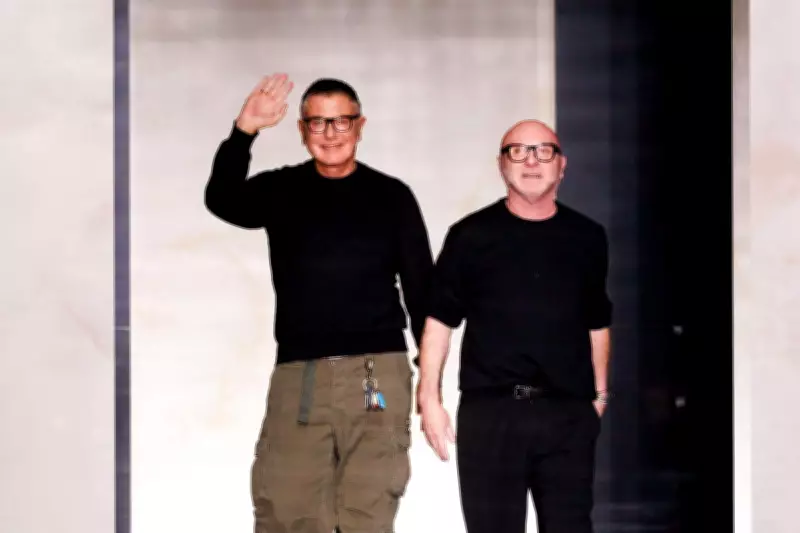
Stefano Gabbana, the co-founder of the iconic Italian fashion house Dolce & Gabbana, has officially stepped down from his role as chair of the company. This significant change was confirmed by the brand, which emphasised that Gabbana will retain a pivotal creative position, continuing to collaborate closely with Domenico Dolce on collections. The decision reflects a broader evolution in the structure of the Milan-based label, as it navigates a period of transition following its 40th anniversary celebrations.
Corporate Restructuring and Leadership Transition
According to official filings, Gabbana notified the company of his resignation in December, with the change taking effect from January 1. Alfonso Dolce, the chief executive and brother of co-founder Domenico Dolce, has assumed the chairmanship. This shift in governance underscores a strategic realignment within the organisation, though the brand insists it does not impact the creative direction. Gabbana remains deeply involved in shaping the aesthetic identity that has defined Dolce & Gabbana for over four decades.
Creative Continuity Amidst Change
The fashion house has reassured stakeholders that Gabbana's departure from management roles will not affect his creative contributions. He will continue to work alongside Domenico Dolce, maintaining the partnership that has been central to the brand's success since its inception in 1985. This creative duo is renowned for their bold, Italian-inspired designs, which blend Mediterranean sensuality with elements of Sicilian culture, Catholic iconography, and cinematic references. Their maximalist approach gained international acclaim in the late 1980s and 1990s, solidifying Dolce & Gabbana's status as a luxury powerhouse.

Expansion and Industry Context
This leadership change occurs as Dolce & Gabbana expands beyond traditional fashion into hospitality, interiors, and immersive brand experiences. The company continues to host its elaborate Alta Moda presentations in historic Italian locations, such as Sicily and Venice, which have become key to its storytelling. Meanwhile, industry reports suggest ongoing discussions with lenders and potential new investments, as the luxury sector adapts to shifting global demands. The brand has not provided detailed comments on its financial position, but Gabbana is reportedly considering options regarding his shareholding while staying engaged with the brand's future.
Historical Significance and Celebrity Influence
Dolce & Gabbana's rise to prominence was significantly boosted by its association with global icons like Madonna, who wore their designs in the 1990s and commissioned costumes for her 1993 Girlie Show tour. This collaboration cemented the label's reputation for provocative, body-conscious fashion and aligned it with influential pop culture. Over the years, the house has dressed numerous celebrities across music, film, and entertainment, reinforcing its image as a purveyor of dramatic, statement-making style. Today, the brand encompasses ready-to-wear, accessories, beauty, and haute couture, with Alta Moda and Alta Sartoria collections showcasing the pinnacle of Italian craftsmanship.
Future Outlook and Brand Vision
Despite the corporate restructuring, Dolce & Gabbana remains creatively driven by its founders. Gabbana's step back from formal leadership signals a governance shift but not a change in vision, as he continues to influence the aesthetic motifs that have defined the brand for 41 years. This move highlights the fashion industry's broader trends towards adapting corporate structures while preserving creative legacies, ensuring that Dolce & Gabbana's iconic identity endures in a competitive market.






