

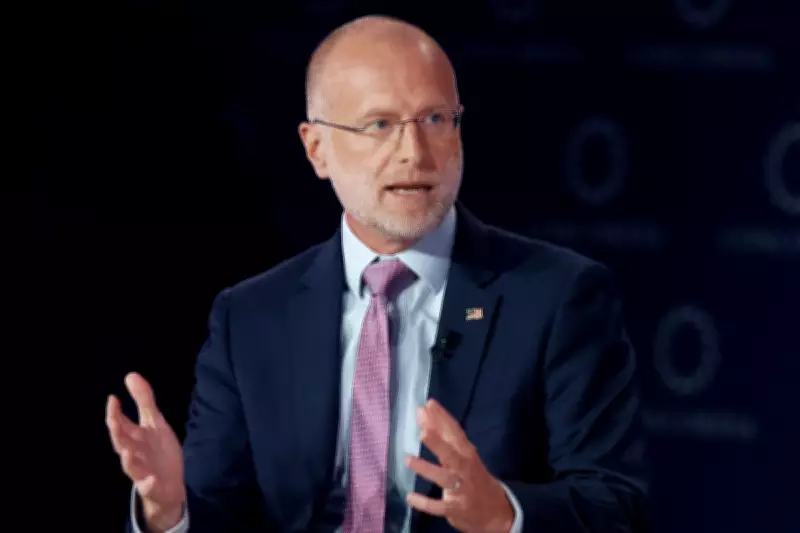
In a landmark decision that reshapes the American media landscape, Federal Communications Commission (FCC) Chairman Brendan Carr has given his crucial endorsement to the proposed $3.54 billion acquisition of Tegna by Nexstar. This merger is poised to create the United States' largest regional television station operator, consolidating vast broadcast resources across the nation.
Chairman's Support and Political Backing
Brendan Carr confirmed his support for the transaction on Wednesday, telling reporters, "I support that transaction. We're going to be moving forward." This endorsement follows public backing from President Donald Trump earlier this month, highlighting the political dimensions of the deal. Carr's approval marks a significant step forward in the regulatory process, though it requires further FCC review.
Strategic Rationale Behind the Merger
Announcing the proposed merger last August, Nexstar CEO Perry Sook pointed directly to actions being pursued by the Trump administration. He stated that these policies "offer local broadcasters the opportunity to expand reach, level the playing field, and compete more effectively with the Big Tech and legacy Big Media companies that have unchecked reach and vast financial resources." Sook added that "Tegna represents the best option for Nexstar to act on this opportunity."

Nexstar currently oversees more than 200 owned and partner stations in 116 markets nationwide and also runs networks like The CW and NewsNation. Meanwhile, Tegna owns 64 news stations across 51 markets. The consolidation would pool these resources, potentially leading to operational efficiencies but also likely involving cuts to redundancies, as explained by Paul Hardart, director of the entertainment, media and technology program at New York University's Stern School of Business.
Digital Expansion and Industry Challenges
Beyond their core broadcast TV businesses, both Nexstar and Tegna boast digital news, mobile app, and streaming offerings. These platforms have become increasingly vital as consumers shift their news and entertainment consumption habits. Broadcast TV has been hit particularly hard by "cord-cutting," with more households abandoning cable or satellite subscriptions in favor of internet-based content.
Regulatory Context and Carr's Advocacy
Carr has long advocated for loosening industry restrictions, arguing that outdated rules hinder innovation and competition. Last year, the FCC announced it would repeal 98 broadcast rules and requirements identified as "obsolete, outdated, or unnecessary." Some of these regulations date back nearly 50 years and apply to old technology no longer in use. Carr maintains that such provisions no longer serve the public interest, aligning with his broader deregulatory agenda.
The merger's progression reflects a broader trend of media consolidation in response to competitive pressures from tech giants and changing consumer behaviors. As the deal moves forward, stakeholders will watch closely for its impact on local news coverage, market competition, and the evolving media ecosystem.






