
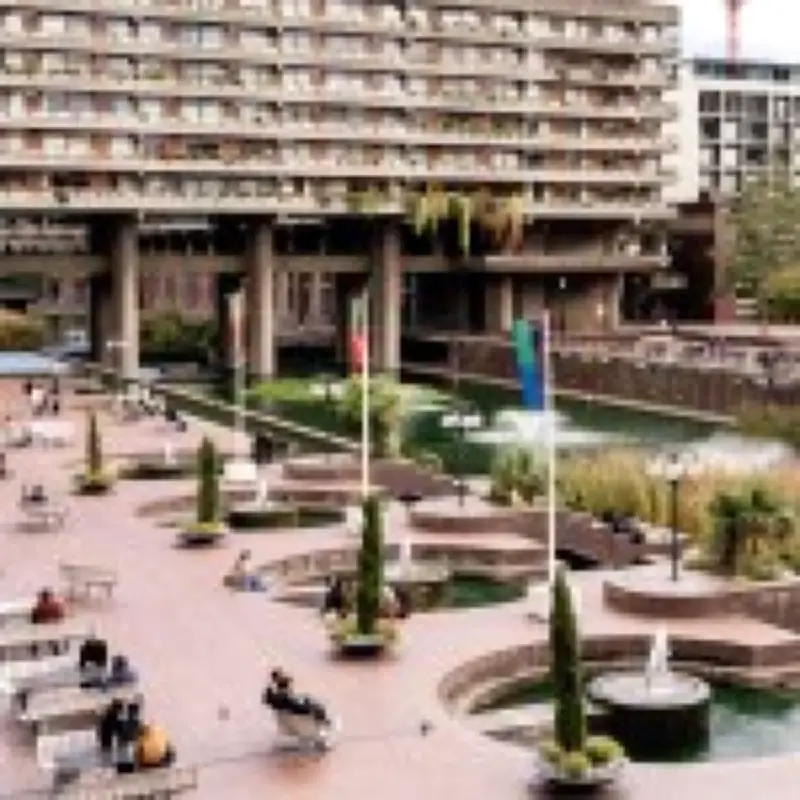
Love it or hate it, the Barbican is an iconic landmark in London. But residents living in the famous Brutalist estate claim it is about to be 'smothered' by a new development. The City of London Corporation has approved plans to demolish the existing One Silk Street office building and replace it with a 20-storey block, sparking outrage among locals.
What is One Silk Street?
One Silk Street, located just a five-minute walk from the Barbican residential area, was built in the 1980s and previously housed the high-end law firm Linklaters. The proposed redevelopment includes a part 16-storey and part 20-storey building, offering approximately 86,000 square metres of office space, along with cultural, retail, and community spaces. The original plan featured two 20-storey towers, but after criticism, one tower was reduced to 16 storeys. A new public plaza will be built opposite the Barbican Centre entrance, with improved pedestrian connections between Moorgate, Liverpool Street, and the Barbican.
Why are Barbican residents opposed?
During early consultations, developers received 1,850 responses, of which 1,000 objected to the plans. The Barbican Quarter Action (BQA), a pressure group representing residents and local businesses, has led the opposition. Concerns include noise, traffic chaos, construction debris, and climate change. Residents are particularly worried about the loss of natural light. Franca Cottafavi, a resident, stated that the 'overall bulk' of the towers will cause 'serious losses of daylight and sunlight to nearby homes, especially those facing Silk Street and around Cromwell Tower.'
Design writer Eleanor Cording-Booth highlighted existing issues in Barbican flats, such as windowless kitchens and bathrooms that are 'infuriatingly prone to mould.' The new development could exacerbate these problems.
Approval despite opposition
On Thursday, May 28, the City of London Corporation Planning Application Sub-Committee officially approved the plan. The BQA responded on Instagram, calling it 'the biggest detrimental impact on residential daylight and sunlight ever approved by the city.' The group is exploring next steps, including potential legal action. This is not the first time the BQA has fought development; they previously attempted to block the demolition of parts of the Barbican Estate, citing carbon emissions, but the case was dismissed.




