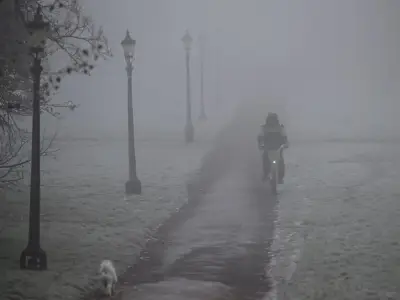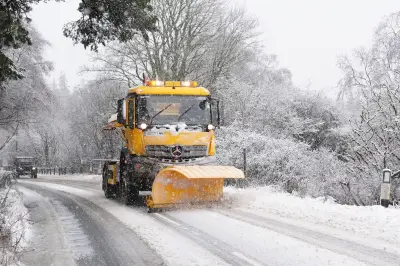
Yellow weather warnings for snow and ice have been issued across parts of Scotland and northern England as cold and wintry weather grips the UK this week. With temperatures dropping and dark evenings setting in, dog owners are being urged to pay extra attention to keeping their pets warm.
A yellow warning for snow is set to come into effect on Tuesday, November 17, from midnight until 12pm, covering the Midlands, north-east and north-west England, Yorkshire and the Humber and parts of south-west Scotland. Snow depths of 1-5cm are expected, though some locations above 300-400m could see 5-15cm.
What temperature is too cold for dogs?
The RSPCA said all dogs feel the cold, but some dogs are comfortable in different temperatures. There is no set temperature that is "too cold" for dogs, but generally when temperatures drop below -4C it is advised to stay inside.
Certain dog breeds come with a ready-made coat so they are better adapted to cold weather. Dogs with no fur or a thin or short coat are more susceptible to the cold and cold-related illness.
The size of the dog also affects their tolerance to the cold. Smaller dogs lose body heat faster than larger dogs – bigger breeds are more insulated and higher above the ground, so they stay warmer for longer.
Which dogs struggle most in winter?
Puppies are not built for cold weather either, as their ability to regulate temperature has not fully developed. Elderly dogs, sick dogs and dogs who are not acclimatised to the cold also struggle.
All dogs are individual, and some will be able to withstand colder weather for longer than others. However, if they are out in low temperatures for prolonged periods, most breeds will start to feel the effect. A dog's extremities – ears, feet, nose and tail – which have less or no fur, may be at increased risk of frostbite.
Advice for walking dogs in winter
- Keep them on the lead: This will stop them from wandering off and into potentially dangerous areas.
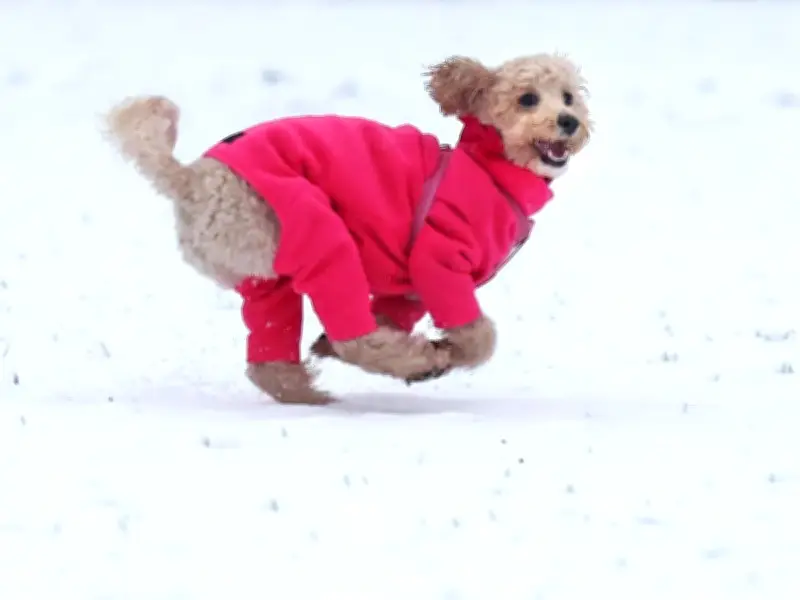
- Keep them layered up: Some dogs may need coats for winter to protect them against freezing temperatures and biting winds.
- Keep them visible: Stick to well lit paths, consider reflective gear.
- Keep their paws warm: You can protect their paws from freezing terrain with dog boots. These will also reduce their risk of exposure to antifreeze, grit and rock salt poisoning.
- Trim their feet and nose fur: Trimming the fur on their paws and nose can prevent ice balls from building.
- Wipe them down after the walk: Wipe their pads, paws and tummy after each walk, in case they were exposed to poisons like antifreeze, grit and rock salt.