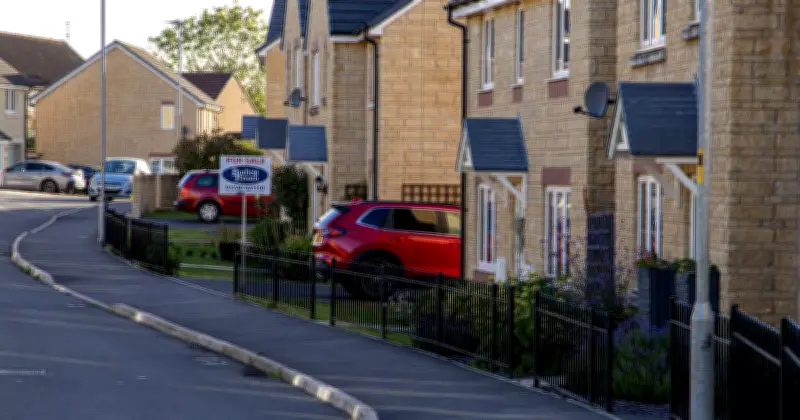
After a prolonged hot and dry summer, parts of the UK are bracing for thunderstorms and heavy rain, which could lead to flash flooding on parched ground. An expert has warned that driveways are particularly vulnerable.
Why Driveways Flood
Matt Jones, director of Derby Driveways Direct, explains that the heatwave dried and cracked driveway surfaces, and the coming rain will exploit every gap. Block paving, tarmac, and concrete shed water rather than absorbing it, directing it to the lowest point, often the house wall or garage door. Heat cracks tarmac and shrinks sand between paving blocks, creating channels for flash rain to reach the base. Blocked drains worsen the issue, causing surface water to back up.
Quick Fixes Before the Storm
Jones advises clearing leaves and silt from channel drains, gullies, and the driveway base, and sweeping loose sand back into gaps between blocks. He also recommends checking for pooling against the house wall or garage threshold and seeking professional help if it's already happening. Additionally, avoid jet-washing right before a storm, as it strips joint sand and increases flooding risk.
Jones said: "Driveways flood because they're built to shed water, not absorb it, and this heatwave made it worse. Dry heat cracks tarmac and shrinks the sand between paving blocks, so flash rain finds a ready-made route straight to the base. Clear your drains, top up joint sand, and check for pooling against the house wall or garage door before the storm hits. Ten minutes now saves a much bigger repair bill later."