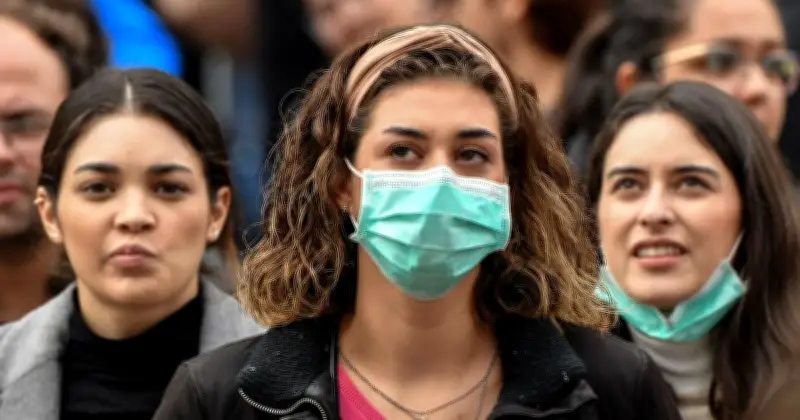
Thousands of new cases of the latest coronavirus strain - known as XFG or American Covid - have been recorded in the UK. The latest version of the virus has its own distinctive symptoms and appears to be spreading, prompting people to consider whether masks should be brought back.
Sharp rise in cases and hospital admissions
Data from the UK Health Security Agency (UKHSA) showed 1,374 Covid cases were recorded in August, before the figure jumped by 230% to 4,589 in September. Hospital admissions involving Covid also increased from 950 in August to 4,939 the following month, a rise of around 420%.
More than half of the positive tests were found to be a variant of XFG, also known as the Stratus, which was first detected in January 2025. It is the most common Covid variant in North America, which has led to it being dubbed "American Covid".
In just one week, cases increased by almost 30%, rising to 1,364 in the seven days to September 23, up from 1,061 the previous week.
How masks help and what symptoms to watch for
Covid is primarily spread through airborne respiratory droplets and particles when people breathe, talk, cough, or sneeze. Wearing a high-quality mask has been shown to slow the spread of the virus.
According to Stony Brook Medicine, most people will experience mild cases of American Covid, especially if they have received the vaccination or a booster. It advised people to keep an eye out for potential symptoms.
XFG symptoms include a persistent, dry cough, fatigue or general tiredness, and a high temperature of 38C+. The variant may present with more than half a dozen other signs, ranging from a scratchy, sore throat to bouts of diarrhoea. Other symptoms may include shortness of breath, feeling sick (nausea), loss of appetite or stomach aches, headaches and muscle pain, brain fog or trouble concentrating, diarrhoea, and sinus congestion or a runny nose.
London GP Dr Renee Hoenderkamp said she had noticed a clear change in the patients visiting her surgery. "In the past 10 days to three weeks in general practice, my lists have definitely changed to people with these symptoms," she told Daily Mail. She described the illness as "very flu-like", adding that most people were likely to experience manageable symptoms.