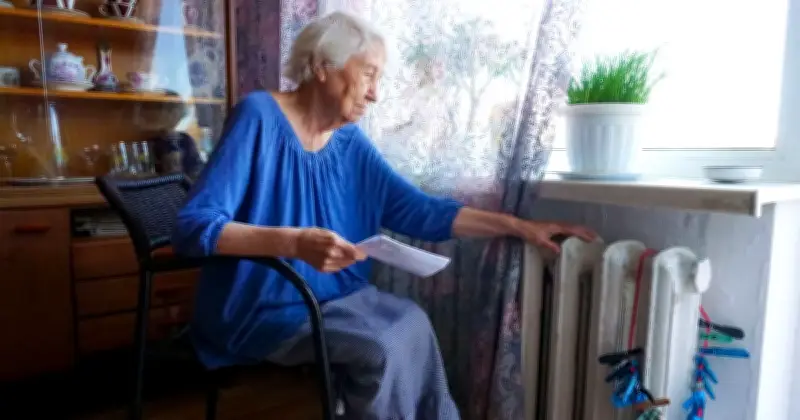
UK households could save £175 a year by getting their heating ready for winter before next week, according to heating experts. The advice comes as energy bills are set to rise again in October, with Ofgem confirming that the price cap for a typical household paying by direct debit will increase by 4% from the first day of the month, rising from £1,663 to £1,723 a year.
Gas prices are largely behind the increase, with the average unit rate climbing from 7.33p to 7.97p per kWh. Heating expert Rob Nezard from UK Radiators has urged households to make their heating "winter-ready" and ensure they are not "wasting the energy they're paying for".
Potential savings from simple measures
According to the Energy Saving Trust, draught-proofing around windows, floors and doors could save around £55 a year in Great Britain, while turning a thermostat down from 22°C to 21°C could save another £120 a year. Households making both changes could theoretically save around £175 a year, although actual savings will depend on the property, heating system, energy usage and measures already in place.
"With bills going up again in October, now is the time to make sure you're not paying for heat that isn't actually benefiting your home," Mr Nezard said. "The worst time to discover your heating isn't working efficiently is the first properly cold week of the year, when everyone else is switching theirs on too."
Seven heating tips for households
Mr Nezard listed seven heating tips for UK households. First, turn every radiator on before you actually need them. "Put the heating on and physically check every radiator," he said. "You're looking for radiators that aren't warming up, have cold areas or take significantly longer than others to heat. Doing this now gives you time to identify problems rather than discovering them when you actually need the heating."
Second, feel the top and bottom of your radiators. "If a radiator is cold towards the top, trapped air could be preventing hot water from circulating through the whole radiator and it may need bleeding," Rob said. "If you're repeatedly having problems, or the radiator remains cold after basic checks, that's when it's worth getting the system looked at rather than simply turning the thermostat higher."
Third, bleed radiators before heating season. Rob said: "Bleeding a radiator is one of the simplest bits of winter preparation, but people often wait until December to think about it. If you've got cold spots at the top of a radiator, deal with them before you're relying on the heating every day."
Fourth, check your thermostatic radiator valves. The expert said: "Walk around the house and check that your valves actually move and aren't stuck after months of little or no use. Think about how you use each room too. A spare bedroom doesn't necessarily need to be heated in exactly the same way as the living room you're using all evening."
Avoiding common heating mistakes
Fifth, stop blocking your radiators. Rob said: "Radiators need to transfer heat into the room. Putting a large sofa directly in front of one can mean you're heating the furniture before you're effectively heating the space around it. Before winter, look at where your furniture is positioned and give radiators space to work."
Sixth, stop the heat you've paid for escaping. Rob added: "One of the simplest things households can do is look at where heat is escaping. Draughts around doors and windows can quickly undo the work your heating system is doing. You don't necessarily need to spend hundreds of pounds. Simple draught-proofing measures can help, while closing curtains once it gets dark and shutting doors between rooms can keep the heat you've already paid for where you actually want it for longer. Before turning the thermostat up, look at whether you're losing heat unnecessarily."
Seventh, don't dry clothes directly on your radiator. Rob said: "Putting wet clothes or towels directly over a radiator can significantly restrict its ability to transfer heat into the room. You're effectively covering the surface that's supposed to be warming the space. If you need to dry washing indoors, give the radiator some breathing room. A laundry airer positioned nearby rather than directly covering the radiator allows heat to circulate more freely while still helping clothes dry."
For towels, a suitable radiator towel bar can achieve the same thing by keeping the fabric away from the main surface of the radiator.