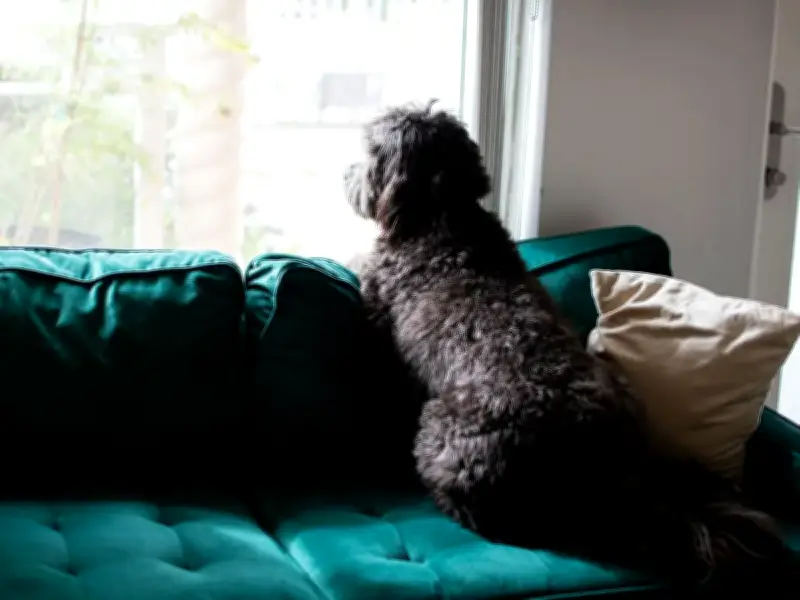
The RSPCA has issued an urgent warning to dog owners across the UK, urging them to treat the current extreme heat like a lockdown and pause all walks until temperatures cool down. The animal welfare charity shared the advice amid another spell of intense heat, with amber heat health alerts from the UK Health Security Agency remaining in place for many regions until Friday, 14 August at 9pm.
Fifth Widespread Heatwave
In a new Facebook post, the RSPCA noted that this is the fifth widespread heatwave of the year and reported over 30,000 visits to its heat safety pages in the past month alone. The charity warned: "We are urging all dog owners to treat this extreme heat like a lockdown for their pets, and pause all walks."
The RSPCA also directed owners to its seasonal advice page, emphasizing the importance of taking immediate action if an animal is spotted in need. The website advises calling 0300 1234 999 if an animal is in danger of harm due to cruelty, neglect, sickness, injury, or being trapped. Injured wildlife can be taken to a local wildlife rescue centre or a vet.
Hot Cars and Deadly Temperatures
If a dog is seen in a hot car, the RSPCA says to call 999 for help. The charity explains: "As we may not be able to attend quickly enough and, with no powers of entry, we'd need police assistance."
The guidance is especially critical in summer when sweltering conditions can prove fatal. "Never leave animals in cars, conservatories, outbuildings or caravans on a warm day, even if it's just for a short while. When it's 22°C outside, temperatures can quickly rise to 47°C (117°F) in these environments, which can be deadly," the charity added.
Keeping Pets Safe
To keep pets safe, the RSPCA recommends using pet-safe sun cream, ensuring access to shade and fresh water, and adding ice cubes to water bowls. "It's also worth checking pets regularly for flystrike," the advice continued.
The experts explained: "There’s an increased risk of fleas, ticks and flystrike during the summer, as they’re more active in warm and humid weather. These infestations can cause pain, distress and in some cases can even be fatal to animals. Learn the symptoms and what you can do to help."
To help prevent flystrike, daily health checks are recommended. "In warm weather, check your pet all over their body, especially around their rear end and tail area, at least twice a day." If a pet becomes infested, the RSPCA advises asking a vet for help immediately.
Protecting Owners Too
During extreme weather, owners must also protect themselves from the heat. The NHS advises spending time in the shade between 11am and 3pm, when the sun is at its strongest, and using at least factor 30 sunscreen, reapplied regularly.
The NHS website explains: "Sunscreen should be applied to all exposed skin, including the face, neck and ears, and head if you have thinning or no hair, but a wide-brimmed hat is better. Sunscreen needs to be reapplied liberally and frequently, and according to the manufacturer's instructions."