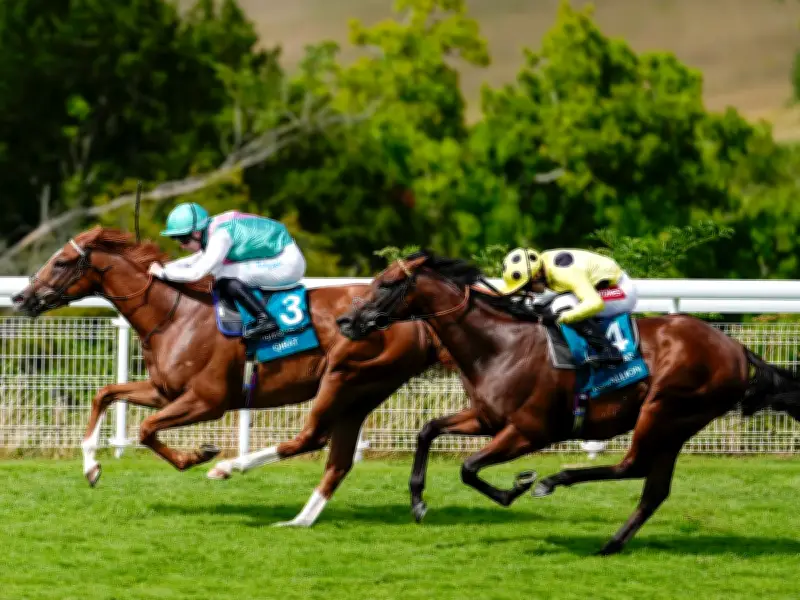
The use of pacemakers in British horse racing has come under scrutiny, with British Horseracing Authority chief executive Brant Dunshea admitting their use in this country is “not something that is necessarily acceptable in other parts of the world”. Dunshea has pledged to raise the matter at the next International Federation of Horseracing Authorities summit.
Calls for change and the counter-argument
Some have suggested that pacemakers should be coupled in the betting with better-fancied horses representing the same owner or stable, or removed from the betting market altogether. However, examples such as Qirat (150-1) in last year’s Sussex Stakes and Maroof (66-1) in the 1994 Queen Elizabeth II Stakes show that outsiders can win, undermining such proposals.
Other suggestions include making pacesetters swerve away from the peloton at some point or forcing them to pull up if they don’t get to the front. One view is that no changes are needed, except enforcing the rule that all horses must run on their merits, as it looks bad when a horse tears off in front and is out on its feet at the end.

Fixture list remains largely unchanged
For 2027, the Fixture List will see 1,440 meetings, just 18 fewer than in 2026, with the number of races remaining the same. The BHA’s decision-making process has been in limbo due to political goings-on, but racing needs a compelling product more than ever.
Zavateri bounces back and racing clashes
Zavateri returned to form with a commanding performance in the Group 2 Celebration Mile at Goodwood on Saturday and is now a best-priced 11-1 for the Queen Elizabeth II Stakes at Ascot on October 17. With Bow Echo retired and Gstaad recovering from injury, that price seems fair.
On Friday evening, both Goodwood and Fontwell Park, 7.6 miles apart by public roads, held race meetings. On Saturday afternoon, both Goodwood and Sandown Park, 46.3 miles apart by public roads, held race meetings featuring Group races, highlighting ongoing issues with race planning in Britain.