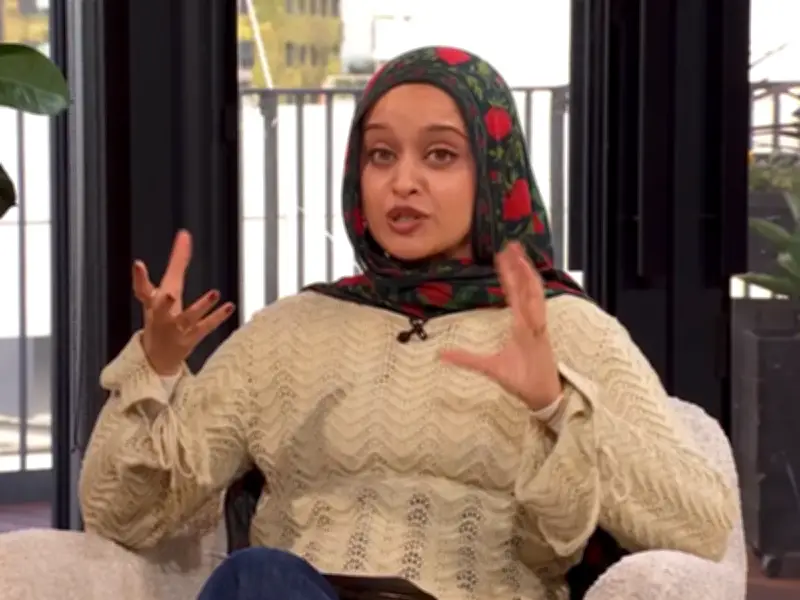
An optometrist has urged drivers to check the DVLA website for medical conditions that must be reported before getting behind the wheel. Speaking on BBC Morning Live on Monday, September 28, expert Humaira Bham stressed that one key group in particular may need to act sooner rather than later.
Cataracts and the driving standard
Ms Bham said cataracts are "very common in older adults" and occur when the lens in your eye becomes cloudy. When this happens, people may experience blurred vision and a loss of sight among other symptoms, with the expert likening it to "looking through a misty window."
While cataracts can be treated by surgery, GOV.UK says drivers "must tell DVLA" if any of the following apply:
- Your eye condition affects both eyes
- Your eye condition affects one eye, but you only have vision in that eye
- You have retinitis pigmentosa that affects one or both eyes
- A GP, optician or eye specialist has said you should not drive
- You do not meet the visual standards for driving
The government website GOV.UK warns: "You can be fined up to £1,000 if you do not tell DVLA about a medical condition that affects your driving. You may be prosecuted if you’re involved in an accident as a result."
1,172 conditions to declare
As cataracts can affect both eyes, the BBC urged people to visit the DVLA website and check its list of conditions that may need to be declared. The BBC said on the show: "We contacted the DVLA, and it told us that there are actually 1,172 different conditions that it needs to be notified of."
According to host Gethin Jones, cataracts in both eyes affect around one in three UK adults aged 65 and over. Ms Bham explained: "In terms of the version standard for driving, you need to be able to read a number plate from 20m - to give you a reference that’s about five parked cars. When you go and get your eyes tested, we test for something called 6/12 vision - so that is the vision standard."
Ms Bham noted that this is usually the 6th line down when reading the Snellen chart at the opticians, adding: "Your optometrist will check for this every time you go and get your sight tested." If you do not meet this, you will not be able to drive.
Signs of cataracts and how to report
The expert said the most common symptom is blurred vision. She explained that "things can be blurred and patches or blurred overall - at a distance or for reading." Other signs include difficulty seeing at night, difficulty reading and watching television, eyes being uncomfortable in or sensitive to light and glare, double vision, seeing glowing rings (halos) around lights, and colours looking faded, especially blue.
The NHS notes that if you wear glasses, you may need to change your prescription more often than usual. Ms Bham said more frequent prescription changes is another sign, stressing: "If you’re having to change your glasses every year, that could be a sign of changes within the lens" - and these are the group of people who may need to act sooner rather than later to avoid further eye issues, and a fine.
The BBC added on the show: "Generally, if you have cataracts, you will need to be checked more often, and usually you will be put on a sooner recall so we can keep an eye on this."
If you have a car or motorcycle licence, other eye conditions you must tell DVLA about include blepharospasm, diabetic retinopathy (with laser treatment), diplopia (double vision), glaucoma, nyctalopia (night blindness), and retinitis pigmentosa.
You can report a medical condition to the DVLA online. If you tell the DVLA you have a medical condition that affects your eyesight, they may arrange an eye test with one of their contracted opticians. You will not be charged for this test. The DVLA will then review all the medical evidence submitted with your driving licence application, including the eye test result.