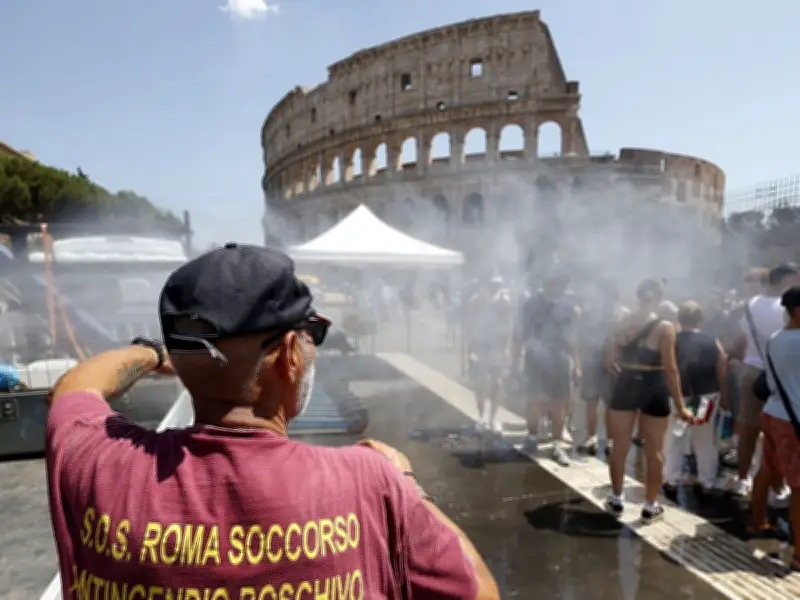
Italy's Health Ministry has issued a red alert for all 27 cities in its national heat surveillance system, marking the first time this year that the entire network has reached the highest warning level simultaneously. The alerts come as a severe heatwave pushes temperatures above 40 degrees Celsius in multiple European countries, affecting millions of people, including tourists.
NHS GP's Advice for Travellers
NHS GP Dr John Akinjolire, working with travel insurance company PayingTooMuch, is urging travellers not to underestimate the risks. He warns that soaring temperatures can quickly lead to heat exhaustion and heatstroke. He said: "With temperatures reaching 40°C in parts of France, Spain and Portugal, alongside active wildfires across these countries and Greece, travellers should be aware that this is more than a typical summer heatwave."
Dr Akinjolire emphasized that extreme heat poses serious health risks, particularly for people with underlying medical conditions such as heart disease, diabetes, or respiratory conditions. He also warned that smoke from nearby wildfires can worsen breathing problems, even in those who do not usually experience respiratory issues.
Preparation and Precautions
Before travelling, it's important to store temperature-sensitive medication such as insulin correctly, check air quality forecasts as well as the weather, and be aware that some medications like certain antibiotics, acne treatments, and antidepressants can increase sensitivity to the sun.
Staying well hydrated is crucial, and alcohol accelerates dehydration, so drinking more than usual in the heat can increase risk significantly. It is advisable to avoid prolonged periods in direct sunlight during the hottest part of the day, typically between 11am and 3pm, and to wear lightweight clothing and seek shade wherever possible.
Recognizing Heat Illness
Dr Akinjolire stressed the importance of knowing the difference between heat exhaustion and heatstroke. "Heat exhaustion can usually be managed with rest, shade and fluids, but heatstroke, where the body can no longer regulate its own temperature, is a medical emergency requiring urgent attention," he said. Signs to watch for include confusion, a lack of sweating despite the heat, and a rapid or irregular heartbeat.
Healthcare Access Abroad
Travellers should also familiarise themselves with how healthcare works in their destination. Unlike the NHS, many European countries require patients to pay for treatment upfront before claiming costs back, even with a GHIC. Access to care can vary, particularly in remote areas such as smaller Greek islands, where serious emergencies may require transfer to a larger island or the mainland.
"These risks should not discourage people from travelling, but they do highlight the importance of preparation," the NHS GP said. "Having comprehensive travel insurance that accurately reflects any pre-existing medical conditions, alongside the right medication, lightweight clothing and other essentials for extreme heat, can protect you in case you find yourself becoming unwell while abroad."