London has been issued a fresh heat health alert as the capital braces for a sixth heatwave of a scorching summer. The yellow alert from the UK Health Security Agency (UKHSA) will be active between 9am on Saturday August 8 and 9pm on Tuesday August 11.
Alert covers most of England
The warning extends beyond London to most of England, with only the northwest and northeast excluded. Yellow alerts indicate that significant impacts are possible across health and social care services due to high temperatures.
These impacts may include a rise in deaths, particularly among those aged 65 and over or with underlying health conditions, and an increased demand for health services. Water-related incidents, such as cold-water shock and drowning, may also increase, and temperatures in care settings like hospitals and care homes could exceed recommended thresholds for clinical risk assessment.
Temperature spike expected
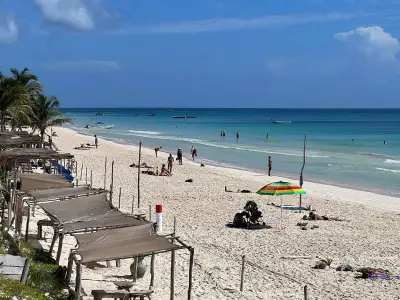
After a few relatively cooler days, temperatures are set to spike again this weekend. The Met Office predicts the mercury will hit 28C on Saturday before peaking around 32C on Sunday. Next week will remain sweltering, with highs between 28C and 32C forecast each day through to the following weekend.
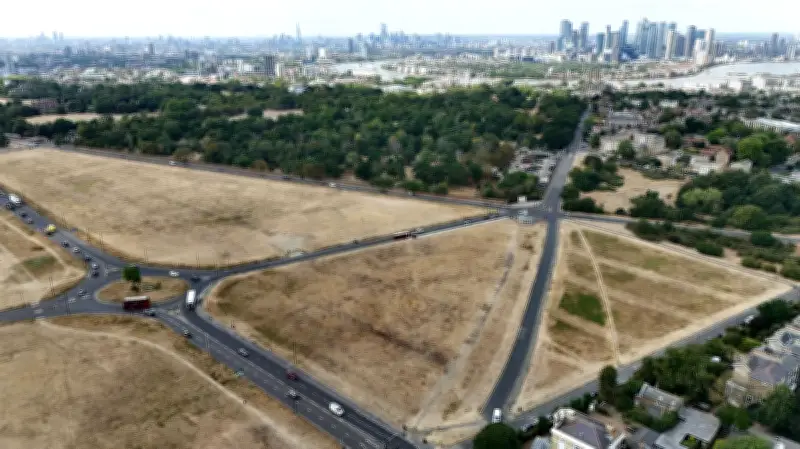
No rain is on the horizon for London, which remains officially in a period of drought. England has just experienced its driest July in over 100 years, with rainfall across the country at 4.4mm—one of the lowest levels on record, behind only February 1891 (3.3mm) and tied with June 1925.
Fire brigade sees surge in calls
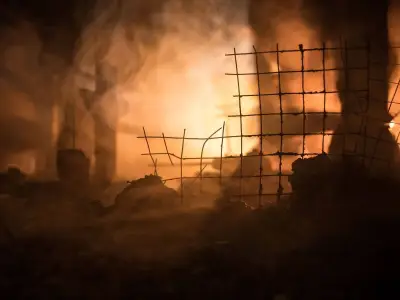
The dry conditions have led to a spike in calls to the London Fire Brigade (LFB), with record numbers of grass fire incidents around the city. On Wednesday August 5, the brigade battled ten grass fires and received more than 1,000 emergency calls.
LFB has urged Londoners to help protect green spaces from fire and take extra care during the hot weather. Assistant Commissioner for Operational Resilience and Control Patrick Goulbourne said: “In these dry conditions, it only takes a spark to start a grass fire and they can spread rapidly, quickly threatening homes, workplaces, infrastructure and the environment.”