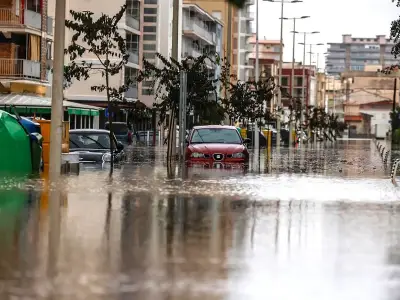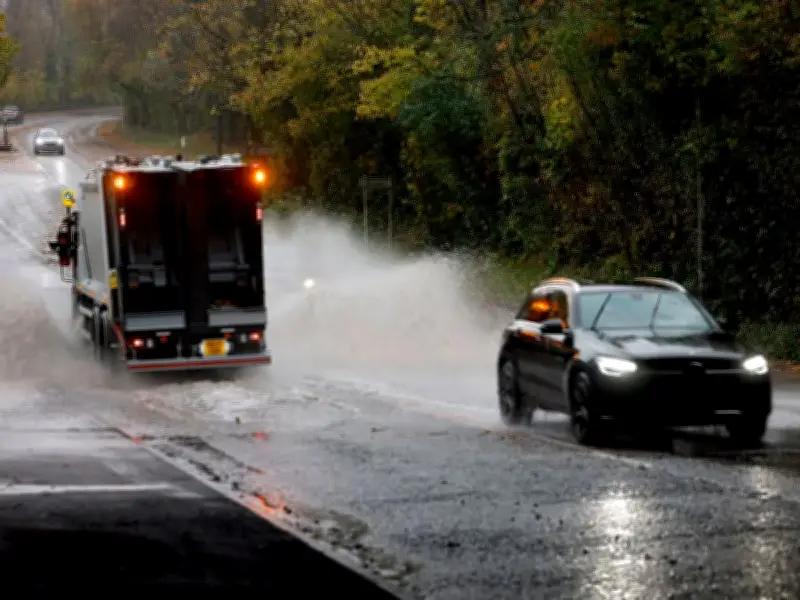
The Met Office has issued weather warnings for wind and rain as two powerful storms are set to batter parts of the UK. Storm Austen, the first named storm of the season, is forecast to strike south-west England on Friday, while Storm Boelo is expected to affect Northern Ireland, Scotland and parts of northern England over the weekend.
Drivers face treacherous conditions on the roads, so here are the steps you can take to keep yourself safe when severe winds and heavy rain are on the way.
Decide Whether Your Trip Is Essential
A good starting point is to consider whether your journey is truly necessary. Driving in strong winds and heavy rain carries significantly greater risks than travelling in calmer weather, so the safest option is to remain at home – think carefully before heading out.
Pack an Emergency Kit and Take Your Time
Should you need to travel, it is worth putting together a small emergency kit to take with you in case you are forced to pull over. Packing some warm blankets, a fully charged power bank and a supply of dried food could make things considerably more bearable if you find yourself stuck at a standstill for any length of time. It is also advisable to ensure your breakdown cover is up to date, so you have assistance on hand should your vehicle develop a mechanical problem.
Extra time significantly reduces stress levels behind the wheel. In conditions of strong winds and torrential rain, dangers can emerge without warning, and by proceeding cautiously, you'll have more opportunity to respond. Allow ample time to reach where you're going, and make certain you pull over if necessary.
Reduce Speed and Give Vulnerable Road Users Room
Ensure you drive more slowly and maintain increased separation from other motorists during windy conditions. This applies especially to tall vehicles such as HGVs and lorries; afford them additional room as powerful gusts can easily force them off their intended path. Consider motorcyclists as well, since they can be forced sideways in strong winds and may need to make sudden movements to steer clear of standing water.
Cyclists and those on foot require greater clearance during stormy weather as well. Similar to other motorists, cyclists can be pushed off their line, so allow them extra distance when overtaking and proceed carefully past them. Remember to give pedestrians a bit more clearance too; despite being on the footpath, a powerful gust might force them onto the carriageway.
Inspect Roof Boxes and Choose Parking Wisely
Strong winds can rapidly destabilise any vehicle accessories you've attached. Items such as roof boxes or bicycle carriers create additional wind resistance and, should they detach, could present a serious danger to fellow drivers. Ensure that any such accessories are securely fastened to your vehicle, and check that all screws and bolts are properly tightened before setting off.
Upon reaching your destination, take a moment to consider where you leave your car. Strong winds can bring down branches and even entire trees, so it is advisable to avoid parking near wooded areas. If you are heading to the coast, keep your vehicle well away from the shoreline, as powerful gusts can drive waves much further inland than you might anticipate.