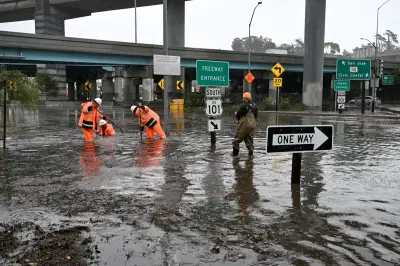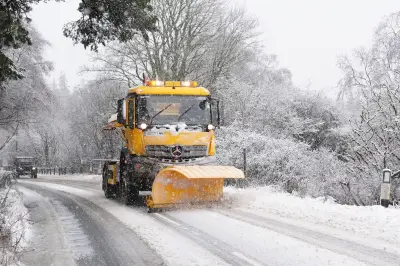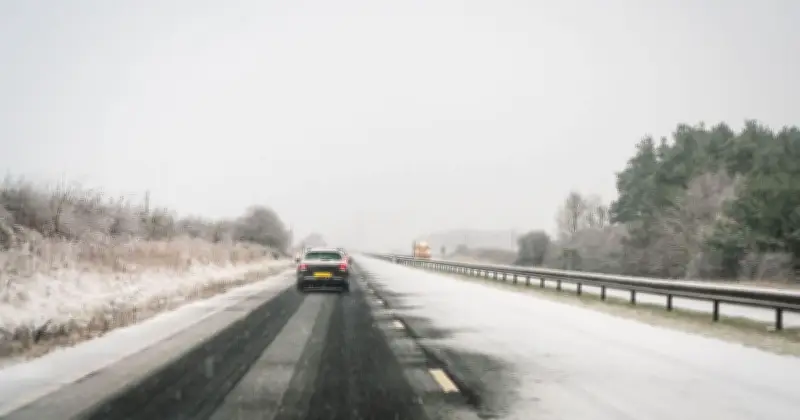
Motorists have been warned against making a costly mistake as snow and ice have started to hit Britain, with millions facing potentially dangerous journeys and significant travel disruption. New research has revealed that 85% of drivers believe UK roads are unprepared to deal with snow and ice, while almost nine in 10 admit to getting behind the wheel in bad weather when they probably should not.
Millions face dangerous journeys
As wintry conditions become more and more common across the country, millions of commuters prepare to travel in freezing conditions, raising concerns about collisions and delays on untreated roads.
The research, conducted by short-term car insurance provider Dayinsure, found that 89% of motorists admitted to driving in bad weather despite believing they probably should not have.
Almost half (47%) said pressure from work had pushed them into driving in unsafe conditions. A further 35% blamed having no alternative transport, while 18% admitted they had simply assumed it would be "fine".
Snow and ice can dramatically reduce tyre grip, increase stopping distances and make steering unpredictable, even at low speeds. This means mistakes that might be relatively harmless in normal conditions can quickly result in collisions when roads are untreated.
According to the Highway Code and road safety experts, motorists should only travel in severe weather when absolutely necessary.
The costly mistakes drivers must avoid
For those who cannot avoid making a journey, Dayinsure has issued a series of warnings about how to reduce the risks of driving on icy roads.
One of the most important is to leave significantly more space between vehicles, with stopping distances increasing dramatically in freezing conditions. Drivers are advised to leave around a bus length, approximately 10-12 metres, between their car and the vehicle in front.
Motorists should also avoid sudden braking or sharp steering, which can increase the risk of losing control. Instead, they should reduce acceleration gently and steer smoothly.
Another common mistake is setting off without properly clearing snow and ice from the vehicle. Windscreens, windows and the roof should be cleared before driving. Failing to ensure adequate visibility can lead to accidents, while driving with an obscured windscreen or mirrors can result in a fine of up to £1,000 and three penalty points if vision is impaired.
Drivers have also been reminded to use fog lights correctly. These should only be switched on when visibility falls below around 100 metres and must be turned off when conditions improve. Failing to use headlights in poor visibility or misusing fog lights can also result in penalties.
Motorists should check their tyres, lights and fluid levels before setting off, while snow, ice or mud covering number plates can lead to fines. Tyres with tread below the legal minimum of 1.6mm can attract fines of up to £2,500 per tyre.
Drivers urged to avoid unnecessary trips
John Cooper, motoring expert and Director of Insurance at Dayinsure, said: "When the snow hits the UK, we see the same pattern every year. Congestion, collisions and drivers taking risks they wouldn't normally take."
"Our research shows many people aren't confident driving in these conditions but often feel like they have to. It's incredibly important we take the necessary steps to ensure safety on the road."
"Not only can poor weather lead to accidents, but it can also lead to increased premiums and added stress long after the snow has cleared. We urge drivers to plan and avoid unnecessary journeys where possible."
The research was based on a survey of 2,000 UK adults conducted by Media Insights in January 2026.