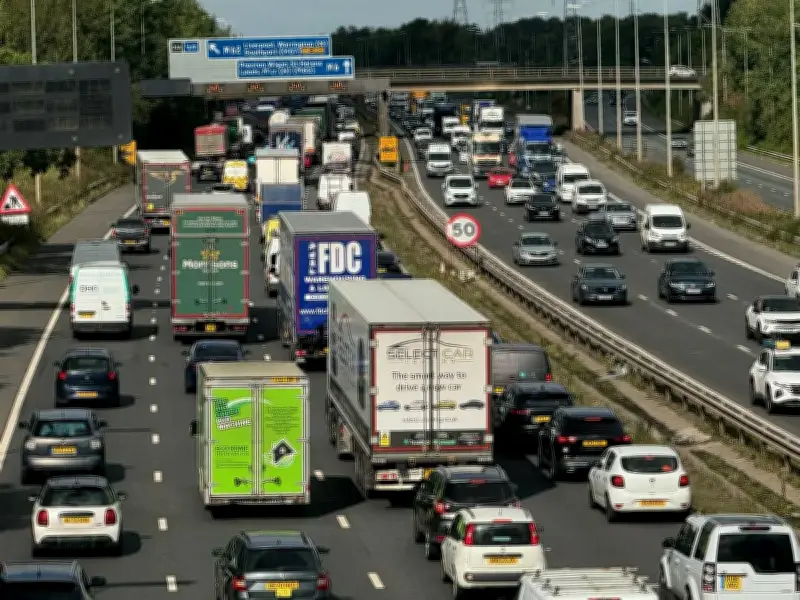
Motorists are being urged to exercise extra caution ahead of October 25, when the clocks go back and darker evenings set in across the UK. Motoring experts are advising drivers to prepare for reduced visibility and worsening weather conditions as the autumn change takes effect.
When the clocks go back an hour on Sunday, October 25, the sun will set at around 4.50pm, meaning many commuters will be making their journeys home in darkness. Driving at night can be particularly challenging, as the lack of natural light restricts field of vision, hampers reaction time, and causes eyes to struggle with contrast and glare.
Experts Advise Pre-Journey Checks
In the lead-up to October 25, Blackcircles.com is reminding motorists to check key items when navigating darker roads. James Harding, a motoring specialist with 16 years of experience at Blackcircles.com, warned: "Unlit roads can be more dangerous, especially to cars with less powerful headlights. Reduced visibility often means that sharp bends, debris and standing water can appear much later than they usually would.
"You may also not notice loose gravel, mud, potholes or broken edges until you are close." He added: "Before you set off, you must also check that your tyres have the correct pressure and adequate tread. Having a good grip is especially important when you are unable to see road surfaces."
Why the Clock Change Affects Drivers
According to motoring experts, the clocks going back shifts daylight hours, which triggers a rise in road accidents and evening driving hazards. When the switch from British Summer Time (BST) to Greenwich Mean Time (GMT) occurs, peak evening rush hours are abruptly cast into darkness.
This results in a documented rise in traffic accidents and injury claims of 11% to over 20% in the subsequent weeks. Vehicle collisions increase by approximately 11% in the two weeks following the autumn clock change, according to the AA. Data from Zurich Insurance reveal that accidents between 4pm and 7pm surge from 25% to 30% after the transition.
Motorists must navigate reduced visibility, a low autumn sun that can produce severe glare, and deteriorating weather conditions including rain, fog, and slippery fallen leaves. These dangers make vulnerable road users, including pedestrians, cyclists, and horse riders, far more difficult to see, creating an especially hazardous environment for young, inexperienced, or business fleet drivers who are statistically at greater risk of crashing during this seasonal transition.
Even though the autumn shift gives an extra hour in bed, changing sleep schedules can still cause grogginess or misjudged alertness. This happens because the body's internal biological clock (circadian rhythm) takes a few days to sync with the new time, much like mild jet lag.
How to Drive Safely in the Dark
Look well ahead, not just directly in front of the car. Scan for bends, pedestrians, cyclists, animals, road debris and changes in the road surface. Anticipate potholes and hazards along the road's edge. If the road surface isn't clearly visible, reduce speed rather than swerving sharply at the last second.
Upon spotting a pothole, apply the brakes before reaching it where possible, rather than braking heavily while already crossing it. Maintain controlled steering and avoid making a dangerous last-second manoeuvre.
Increase following distance. A greater gap between you and the vehicle ahead provides extra time to respond should they brake suddenly or encounter an obstacle.
Exercise particular caution on bends. An approaching vehicle, cyclist, pedestrian or obstruction may not be visible around a corner. Reduce speed before you reach any bend in the road.
Slow down whenever visibility is poor. It is essential to travel at a speed at which you could safely come to a stop should any hazards present themselves.
Use headlights appropriately. On unlit roads, switch to full beam where suitable, but dip them for oncoming traffic and when travelling behind another vehicle to avoid blinding the driver ahead.
Stay alert for pedestrians and cyclists. They can be remarkably difficult to spot on unlit roads, particularly when dressed in dark clothing. Remain vigilant for anyone on foot or on a bike, and allow them ample room when passing.
James continued: "If you've recently driven down a particularly rough, dark road and notice vibrations, a steering pull, or loss of tyre pressure, it is important to check your tyres promptly."