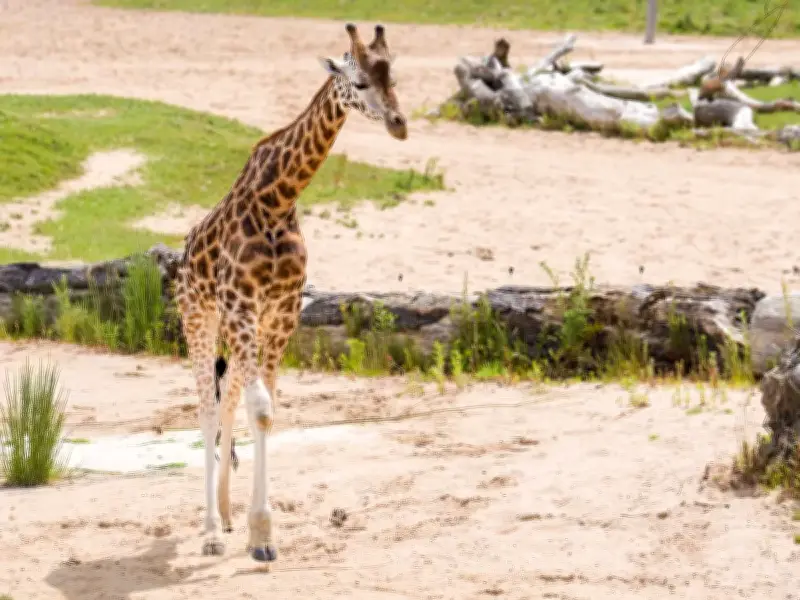
Chester Zoo has brought back its £10 afternoon ticket for a limited time, offering visitors a cheaper way to see its animals, including five bush dog pups born at the zoo.
The tickets are available until Sunday, September 6, with visits between 3pm and 6pm, including weekends. Standard adult tickets are typically £38, but this offer is described as perfect “for memorable mini adventures, quick visits to see your favourite animals, or our first taste of Chester Zoo”.
Rare bush dog pups emerge
Visitors can now see the five bush dog pups, the only ones born in the UK this year, as they have emerged from their den. Born around a month ago to four-year-old Molly after a 65-day pregnancy, the pups are beginning to explore their surroundings alongside their parents and older siblings.

The pups are part of a European conservation breeding programme, which aims to maintain a genetically healthy population of bush dogs and help safeguard the future of the species.
Keeper's view and conservation efforts
Richard Tyson, carnivore keeper at Chester Zoo, said: “At this stage, they’re just little furry potatoes. They toddle around a bit, but mostly they huddle together in a pile. It won’t be long before they’re eating solid food, and we’ll start providing them with little bits of chicken or rabbit to try over the next few weeks.”
The pups weighed between 120g and 150g at birth, roughly the weight of a can of sardines. Keepers initially left Molly and her new family undisturbed in one of three dens, so they did not know exactly how many pups had been born. One of the first clues that the birth had been a success was the sound of the youngsters, as bush dog pups make high-pitched chirping noises that sound surprisingly like birds.
The pups are now becoming more confident, with their older brothers and sisters taking a keen interest in their new siblings. Bush dogs are found across parts of Latin America, where they live in family groups in a variety of habitats. Despite their wide range, they are often locally rare and face threats including habitat loss, hunting and disease.
Chester Zoo’s conservation teams are working with partners in Latin America to protect wildlife and habitats, including supporting research into the impacts of soy farming on wildlife in Brazil.