The tremor struck at 11.59am on Sunday and lasted for several seconds, with its epicentre located in the town of Librilla at a depth of approximately 3 miles, according to the Mirror. Murcia is positioned roughly 18 miles away.
Dozens of people reported feeling the shaking, and the 112 Emergency Coordination Centre for the Region of Murcia said it had received more than 80 calls from various points in the region. No personal or material damage has been reported, the centre posted on X: "The 112 Emergency Coordination Centre for the Region of Murcia has received more than 80 calls (...) at various points in the region. So far, no personal or material damage has been reported."
Recent seismic activity
According to Spain's National Geographic Institute (IGN), seven tremors had occurred in recent days before this earthquake, with total seismic activity reaching 21 events over the past month. Today's quake is the most powerful in the last six months, surpassing the 2.3 magnitude tremor recorded on June 3.
Regional impact and history
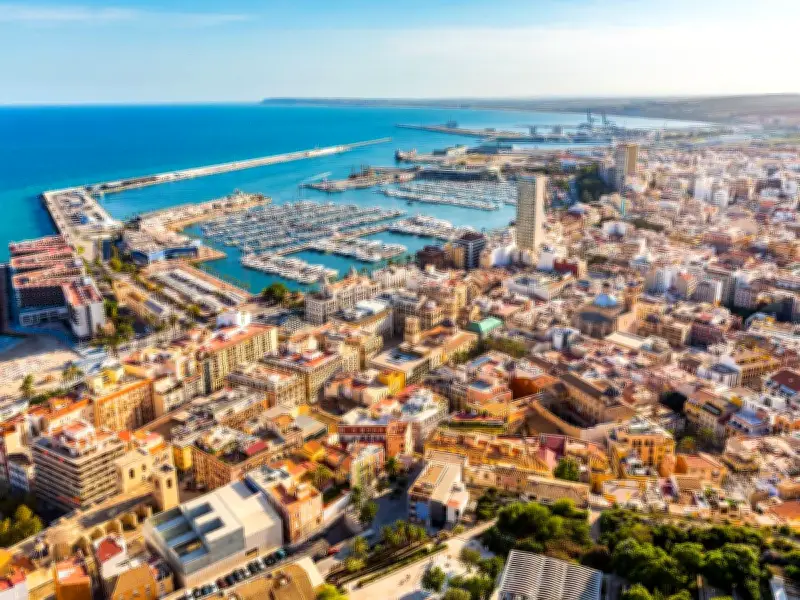
The tremor was felt in neighbouring regions, including Alicante, a popular area for British tourists who also visit nearby Benidorm, as well as Albacete. It comes after a larger 4.7 magnitude earthquake struck Naples, Italy, on Friday, causing damage to buildings and vehicles and leaving around 20 people injured.
Spain's most catastrophic earthquake in recent decades occurred in 2011, when a 5.2 magnitude quake in the southern town of Lorca killed 10 people, forced hundreds from their homes and caused multiple buildings to collapse. Cars were engulfed by rubble and a local hospital was evacuated.
Why southern Spain is vulnerable
Southern Spain is especially prone to seismic events, with Andalusia and Murcia sitting on the northern boundary of the collision zone between the Eurasian and Nubian (African) tectonic plates, which is pushing northwards into Eurasia at about 4–5mm per year.
This ongoing convergence, which formed the Atlas Mountains of Morocco and the Alps of central Europe in earlier geological eras, is now visible in southern Spain through the fault systems of the Betic Cordillera – the mountain range running from the Gibraltar Arc in the west through Malaga, Granada, Almeria and Murcia to the Mediterranean coast.