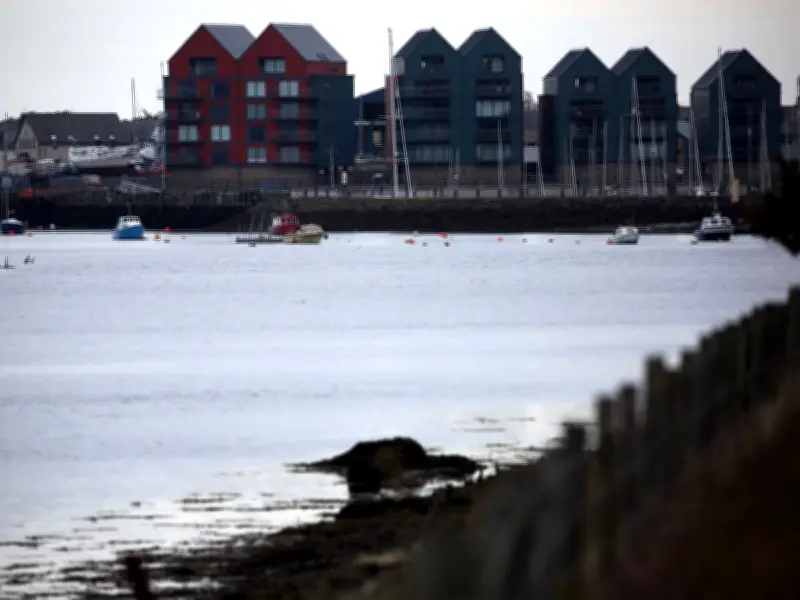
Amble has been my happy place for years. Every time I drive into town, it feels like coming home, and I leave feeling grateful that such a seaside destination sits on our North East doorstep. In my view, there is no contest: Amble is the best seaside town in the North East.
It is not an easy title to win, with coastal spots from Teesside to the Scottish border offering natural beauty, quirky features and lively hospitality. Craster has majestic Dunstanburgh views, Bamburgh has a sweeping beach, Saltburn has its funicular, and Cullercoats has caves. Tynemouth has a trendy village, and Seaham is building a foodie reputation. Yet Amble has something special.
If you agree, you can vote for Amble in our poll to find the best seaside town in the UK.
Why Amble stands out
Known as 'the friendliest port', Amble is Northumberland's most active fishing port. Strolling along the harbour, you see lobster pots stacked high and fishing boats busily coming and going, giving the town a pleasingly industrious feel alongside its coastal charm.
Amble also has a museum dedicated to Northumberland's haunted history. On my first visit after it opened, I found it friendly, fascinating and fun.
Walks, views and TV fame
One of my favourite walks starts at Amble marina and winds round the braid along the River Coquet to Warkworth, where you can see the imposing castle and an unusual 14th-century hermitage. In spring, the mound is carpeted with daffodils, and there are plenty of pubs and cafes along the way.
Amble has also appeared on screen, featuring in Vera, BBC's Escape to the Country and Robson Green's Weekend Escapes.
Food and drink
The harbour and marina area has a vibrant foodie scene despite its small size. The Old Boat House offers high-end seafood, with a hearty portion of fish and chips at £20.95. Its sister venue, the Fish Shack, sits a few minutes along the pier and has a beachier, laid-back vibe. The same group also offers homestyle Italian neighbourhood cuisine at La Famiglia on the high street.
There is also region-famous ice cream at Spurreli+'s Italian cafe, a fine Indian restaurant and takeaway at the Taj Mahal, and lots of good pubs. The Harbour Fish Bar serves what it calls a 'fish and chip feast' for £16.50, which is as good a fish supper as I have had anywhere in the country. All within the space of a few streets.
Beaches and Coquet Island
Amble has two main beach areas. The Little Shore is a small, sheltered sandy bay by the harbour with colourful beach huts, while Amble Links offers a longer, wider stretch of sand and rocks backed by grassy dunes. Both look out toward Coquet Island.
Coquet Island, about a mile offshore, is a 15-acre wildlife sanctuary for tens of thousands of nesting seabirds, including puffins, terns, kittiwakes, razorbills and eider ducks, known locally as 'Cuddy ducks' in honour of St Cuthbert. The island is strictly off-limits to visitors, managed by the RSPB on behalf of its owner, the Duke of Northumberland. However, puffin cruise boats sail from Amble Harbour when the weather allows, circling the island for close-up views of seals and nesting birds.
Amble is also a gateway to the wider Northumberland coast, with day trips offering breathtaking beaches, maritime and medieval history, and seabird-watching experiences, including trips to the Farne Islands via Seahouses.
What does it cost?
A night's stay in Amble typically ranges from £35 to over £185. Mid-range hotels and B&Bs average between £102 and £143 per night. Prices vary by season, peaking at around £171 in April and dropping to an average of £70 in October.
The UK-wide shortlist
Amble is on the UK-wide shortlist, which also includes Tenby (Wales), Falmouth (Cornwall), Torquay (Devon), Scarborough (Yorkshire), Southport (Merseyside), Portstewart (County Derry), Folkestone (Kent), Leigh-on-Sea (Essex), Skegness (Lincolnshire), Wells-next-the-Sea (Norfolk), Gullane (East Lothian), Blackpool (Lancashire), Lyme Regis (Dorset) and Clevedon (Somerset).