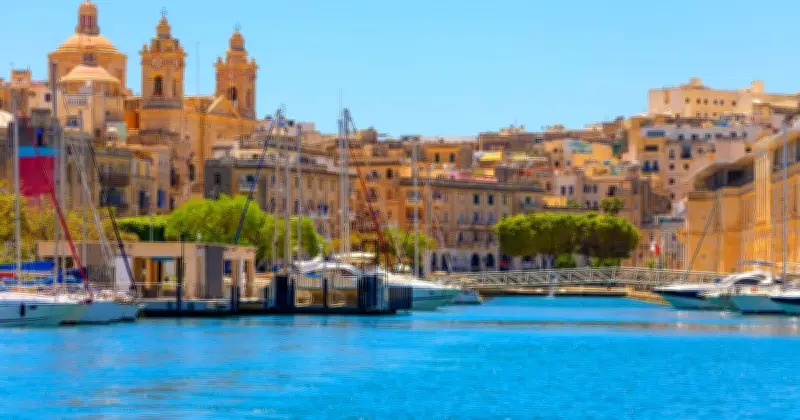
Valletta, Malta's compact capital and a UNESCO World Heritage Site, offers an ideal autumn escape with average October highs of 25C and a walkable historic centre. The city, which earned World Heritage List status in 1980, holds a past connected to the Knights of St John.
A compact Mediterranean capital
Malta sits in the central Mediterranean, roughly 50 miles south of Sicily and 176 miles east of Tunisia. With a compact area of just 316km squared, its modest dimensions allow for straightforward exploration within a brief timeframe. While predominantly recognised as a summer retreat, Malta enjoys a remarkably great winter climate with temperatures rarely falling beneath 15C, rendering its capital an ideal pedestrian-friendly destination throughout the calendar.
This Baroque European Art City can be readily explored during a two-day visit with principal sights positioned within comfortable walking range of each other. Crafted by military engineers, Old Valletta sits protected behind formidable defensive fortifications and bastions. Combined with precipitous thoroughfares and numerous staircases, the capital proves highly challenging for motorised transport while favouring those on foot.
Best time to visit and getting there
A Malta-based local guide told Go Ask a Local that travellers wishing to "spend their time exploring the island's long history and delving into its heritage" ought to visit during either spring or autumn. They advised: "March to June and September to November would be the best time to visit."
Ryanair, easyJet and KM Malta Airlines all provide direct services from London to Valletta from £50 in October, enabling tourists to start their adventure immediately upon arrival.
Sights and visitor experiences
Regarding activities in the capital, visitors can begin with St John's Co-Cathedral to witness Caravaggio's 'The Beheading of St John the Baptist' alongside the church's breathtaking interior. This particular work remains the sole piece carrying the master's signature.
The Upper Barrakka Gardens offer sweeping vistas across the Grand Harbour, with a ceremonial cannon salute at midday or 4pm. The Lower Barrakka Gardens, a brief stroll away, are considered by many the more attractive of the pair, also boasting magnificent maritime panoramas. The Mysterium Fidei Monastery, which has housed nuns for centuries, now welcomes visitors.
Numerous dining establishments and bars populate the vicinity, including the highly-rated Papannis Restaurant, Noni and Beati Paoli Restaurant.
What visitors say and autumn weather
One visitor described Valletta as "a walkable and small city" on TripAdvisor, adding that the waterfront is one area well worth exploring. Another wrote: "Although the steep streets to the centre look daunting there are lifts to help the weary traveller. The city is compact and very attractive." A further review said: "We spent many hours and numerous visits to the capital of Malta. So many eateries to choose from, just as many stores and boutiques to visit. You can spend hours walking around and seeing history! The refurbished Triton fountain at the main entrance is glorious! I highly recommend everyone to go to this beautiful city! If you're porting during a cruise... get off and tour.."
Guided walking tours remain a firm favourite amongst tourists, with popular options including the Valletta City Walking Tour, The Original Valletta Walking Tour and The Valletta Street Food and Culture Walking Tour.
Regarding the weather, Malta is considerably drier than many neighbouring European destinations. Even in November, its rainiest month, it enjoys 161 hours of sunshine — more than double that of many European cities. In September, visitors can expect average highs of 28C and lows of 20C with three days of rainfall, while October brings highs of 25C and lows of 18C with five days of rain.