Foreign Office Updates Travel Advice for 29 Countries Amid New EU Border Rules
UK Travel Advice Updated for 29 Countries as EU Border Rules Change

Foreign Office Revises Travel Guidance for 29 Nations as New EU Border System Launches

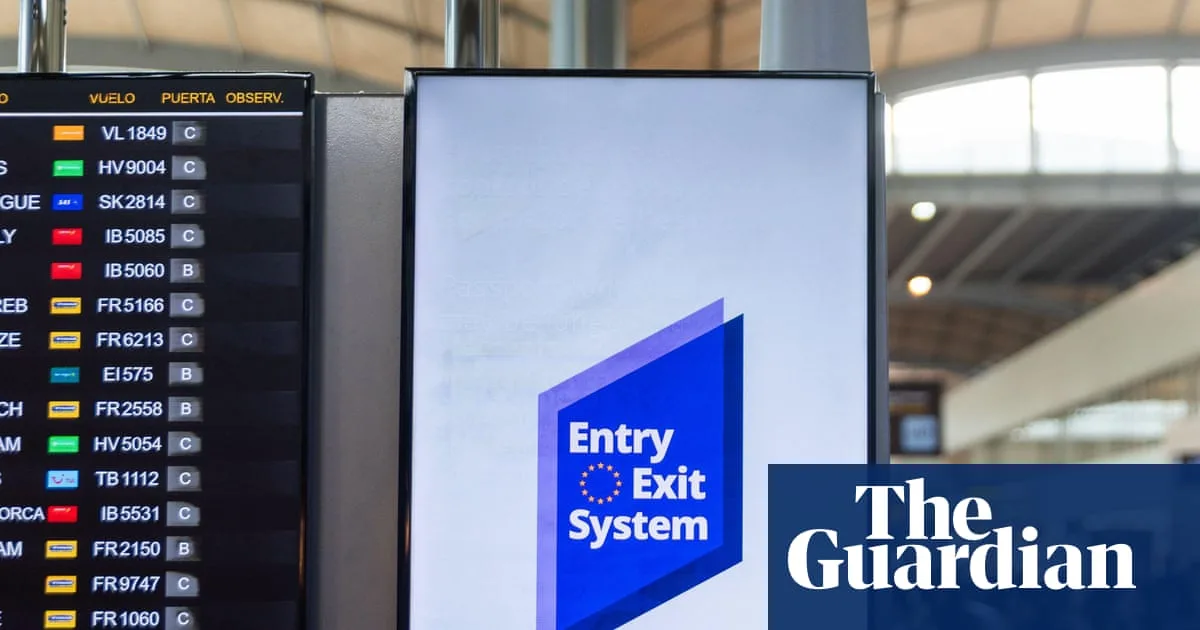
The Foreign Office has issued updated travel advice for 29 countries, including popular destinations such as France, Greece, and Italy, as new European Union border regulations come into force this week. The changes affect UK holidaymakers travelling to the Schengen zone, with the implementation of the EU's Entry/Exit System (EES) starting from April 10, 2026.

What the New Entry/Exit System Entails

The EES replaces the previous manual passport stamping process with a digital border system. When entering the Schengen area for short stays, British travellers will now be required to register biometric information, including fingerprints and a facial photograph, at their first point of entry. This process is free of charge, and in most cases, no advance action is needed before reaching the border.

The 29 countries affected by the new system are:

Wide Pickt banner — collaborative shopping lists app for Telegram, phone mockup with grocery list
  • Austria, Belgium, Bulgaria, Croatia, Czechia, Denmark, Estonia, Finland, France, Germany, Greece, Hungary, Iceland, Italy, Latvia, Liechtenstein, Lithuania, Luxembourg, Malta, Netherlands, Norway, Poland, Portugal, Romania, Slovakia, Slovenia, Spain, Sweden, and Switzerland.

It is important to note that the EES does not apply to travel to the Republic of Ireland or Cyprus, as these countries are outside the Schengen zone.

Practical Implications for Travellers

According to the Foreign Office's updated guidance, travellers may need to register their biometric details at a special booth before proceeding to immigration on their first visit to a Schengen country. Children aged 11 or younger are exempt from fingerprint scanning but may still need to have their photo taken. The system may cause additional processing time at borders, so passengers should be prepared for longer waits than usual.

Key points from the Foreign Office advice include:

  1. No pre-travel action or cost is required for EES registration.
  2. Follow directions from travel operators or port staff upon arrival.
  3. Biometric details may need to be provided both when entering and exiting the Schengen area.
  4. For departures from the UK via the Port of Dover, Eurotunnel at Folkestone, or Eurostar at St Pancras International, registration will occur before leaving the country.
  5. Each digital EES record remains valid for three years.

Additional Recommendations and Considerations

The Foreign Office has also urged British travellers to consult the embassy websites of their destination countries for any extra requirements or specific rules. This precaution ensures that holidaymakers are fully informed about local regulations that may affect their plans. The update underscores the importance of staying abreast of evolving travel policies, particularly as digital border systems become more prevalent across Europe.

Overall, while the new EES introduces a more streamlined, digital approach to border control, it represents a significant shift for UK travellers accustomed to manual passport checks. By adhering to the updated advice and allowing extra time for border processing, holidaymakers can navigate these changes smoothly and enjoy their trips with minimal disruption.

Pickt after-article banner — collaborative shopping lists app with family illustration