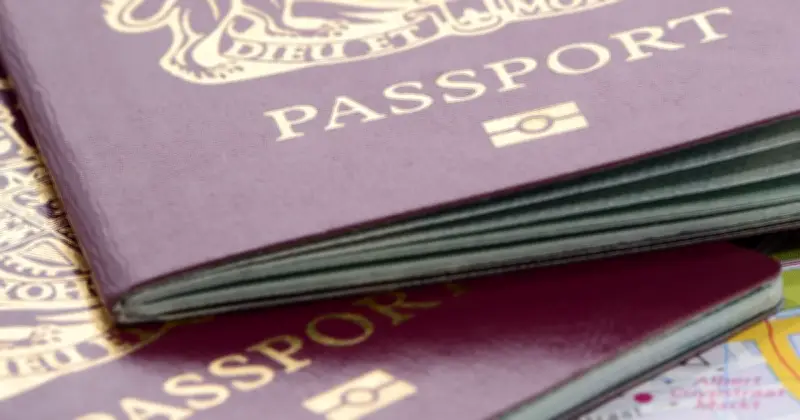
British holidaymakers heading to Spain are being urged to check their passports before travelling or risk being turned away at the border. Spain remains a hugely popular destination for UK holidaymakers, but British passport holders need to make sure their documents meet Schengen rules before setting off.
Two key passport dates to check
The Foreign, Commonwealth and Development Office (FCDO) says there are two dates travellers need to look at. A passport must have been issued less than 10 years before the date you arrive in Spain. This could particularly affect people who renewed their passport before October 1, 2018, as some older UK passports had extra months added to them.
The FCDO warns this could mean the date of issue was more than 10 years ago, making the passport invalid for entry into the Schengen area.
Expiry date and stay limits
There is also a separate rule covering the expiry date. Your passport must expire at least three months after the day you plan to leave the Schengen area. The Government advises travellers to check with their travel provider that their passport and other documents meet the requirements and renew their passport if necessary.
It warns: "You will be denied entry if you do not have a valid travel document or try to use a passport that has been reported lost or stolen."
There are also rules covering how long Brits can stay in Spain without a visa. British travellers can visit Spain and other countries in the Schengen area for up to 90 days in any 180-day period without a visa for holidays, visiting family and friends and certain other trips. Previous visits to other Schengen countries during the same 180-day period also count towards the 90-day total.
New border procedures
There are also new border procedures to be aware of. The EU's Entry/Exit System is now being introduced across the Schengen area, meaning travellers on short stays may need to register biometric information including a photograph and fingerprints.
The FCDO says there is nothing travellers need to do before arriving at the border to register for EES, although the process could mean longer waits at immigration.