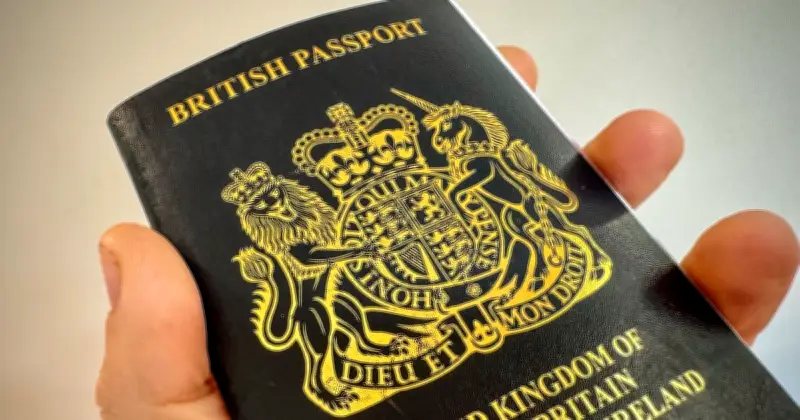
From Monday, September 28, ferry passengers travelling between the UK and the Republic of Ireland must present a valid passport at check-in, under new rules confirmed by the UK Border Force. Stena Line and Irish Ferries have both said the requirement, effective from that date, applies to all passengers on their routes between Ireland and Britain.
Previously, passengers were not always asked to show a passport, and sometimes only needed another form of photo ID, such as a driving licence. Now, however, a passport is mandatory for all ferry travellers on these routes.
Which routes are affected
Irish Ferries said the new requirement applies to its Dublin to Holyhead and Rosslare to Pembroke routes, in both directions. Stena Line said all passengers travelling between Holyhead and Dublin or Fishguard and Rosslare will be required to show a passport on departure, and no other forms of ID will be accepted.
The rule applies to all passengers, regardless of their age or nationality. There is no change to ID requirements for business or leisure passengers travelling with Stena Line from Belfast, Liverpool, Cairnryan or Heysham.
Reason for the change
Stena Line said the change would meet UK Border Force rules on “accuracy and integrity of passenger data before boarding”. Under the century-old Common Travel Area agreement, Irish and British citizens do not legally require a passport to travel between Ireland and Britain.
However, certain airlines have required a passport for boarding, and the measure for ferries comes into effect from Monday, September 28. Ferry operators say routes between Britain and Northern Ireland will not be affected by the changes.
Official response and travel advice
A spokesperson for the UK Home Office said: “No change has been made to the requirements needed to travel to the UK. Requiring a passport to provide this information was a decision made by the ferry companies operating international routes between Ireland and Britain.
“Anyone travelling to the UK, including those within the Common Travel Area, continue to need to enter in line with the UK’s immigration rules. This means information about passengers in advance of travel, such as nationality, is required to ensure the UK’s border security is protected.”
As the changes come into force, passengers are encouraged to check they have an in-date passport or passport card before arriving at the port. Tom Vaughan, travel insurance expert at Confused.com, said: “Before you head to the port, don't just check your passport hasn't expired, check it's valid for where you're going. For Ireland, you need a passport that's in date for the duration of your stay. Plenty of UK travellers still get caught out by passport validity rules, as our research shows less than half (43%) know EU travel requires a passport issued within the last 10 years.
“So it's worth taking two minutes to check the issue date as well as the expiry date as leaving it late can be costly. If you get caught out, a same-day emergency passport now costs up to £240, and there's no same-day service available for children's passports. Travel insurance won't cover any sailings or holidays you miss if you're turned away for an invalid passport, so a quick check now saves a lot of stress later.”