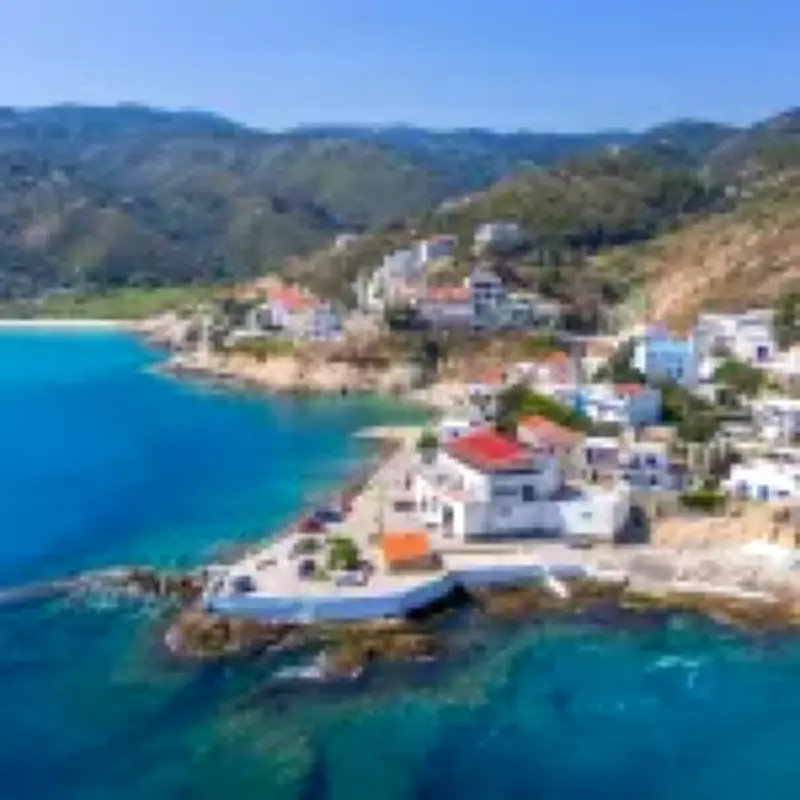
Ikaria, a Greek island in the Aegean Sea, is gaining attention as a Blue Zone where residents often live to 100 or more. The island, tied to myths of Icarus and Dionysus, offers slow living, therapeutic hot springs, authentic villages, and azure waters.
Mythical and mystical origins
According to legend, Icarus flew too close to the sun, his wax-and-feather wings melted, and he plunged into the Aegean. His body washed ashore on an unnamed island, later named Ikaria in his honour. Visitors can see the Rock of Icarus, about 50 metres off Vaoni beach, featuring a statue and an outdoor stone amphitheatre used for summer cultural events.
The Icarus Festival, held in July and August, includes world music concerts, traditional Greek performances, and art exhibitions. Dionysus, the god of wine, was born on the island and is said to have helped winemaking thrive.
A Blue Zone lifestyle
Ikarians use the phrase 'siga siga' (slowly slowly), reflecting a natural pace of life. During the Greek Civil War (1946-49), some 13,000 communist exiles lived on the island, giving it the name 'red rock' and shaping a free-thinking identity. Residents walk steep hills daily, enjoy midday rests, and follow a Mediterranean diet of legumes, potatoes, whole grains, olive oil, and local red wine.
Hot thermal springs have been used since Roman times, and Halarari Gorge is a protected nature reserve with streams, waterfalls, and rock pools.
Island culture and beaches
Christos Raches, the 'village that never sleeps,' runs on an inverted routine with shops open late. Villages host 'Panagiria' feast days with live music and dance; there are 15 feasts scheduled in August. Seychelles Beach is a famous cove with white pebbles, while Nas Beach offers ruins of the 2,400-year-old Temple of Artemis.
There is no direct route to Ikaria. Options include flying from Athens (around £230, 7 hours) or taking a ferry (around £56, 7 hours). Cheapest is flying from London Stansted to Samos (around £74 with Jet2) then a one-hour ferry for about £6.